

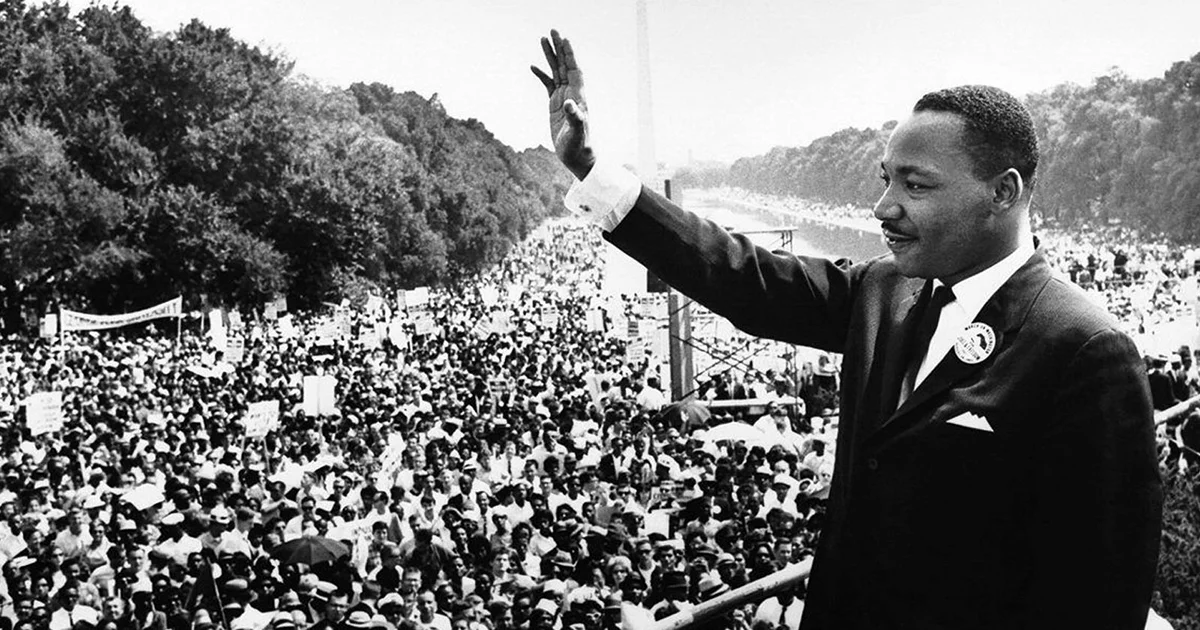

Black History Month is not just a month dedicated to celebrate Black history, but a vital beacon of hope and inspiration for everyone.
The questions that face society today are whether or not Black history has made an impact on modern history? Is it still relevant? Is Black history month just an act of performative recognition? Or is Black history month a staple for representation and equity for everyone regardless of race. After all, Black History Month is in fact a month dedicated to celebrating Black history, but can it also be a reflection on the past, and the attention that it receives?
The questions that face us today can make us wonder about the real impact that black history month can have and if Black history month is recognizing representation through truth-telling by shedding light on the negligence of historical injustices that were often ignored or incomplete in traditional education.
To understand the importance of Black History Month, and the true relevance of it, individuals must dive deep into the origin and foundation of Black History Month.
Carter G. Woodson—a pioneering American historian, educator, and author—believed that educating the public was essential for uplifting racial equality and ensuring that Black people were proud of their inter-generational heritage.
Woodson was convinced that his role in life was to use Black history as a weapon in the struggle for racial uplift and injustice. To Woodson, the Black experience was far too important to be confined to a small circle of scholars. After receiving his PhD from Harvard in 1912, Woodson’s passion and determination to educate the public about Black history led him to found the Association for the Study of Negro Life and History (ASNLH) in 1915, which later made possible the creation of Negro History Week, first celebrated during the second week of February 1926. The week of February was chosen to correspond with Abraham Lincoln and Frederick Douglass’ birthdays, because they were both important figures in the fight against slavery and the advancement of Black freedom. By selecting February, Woodson was able to connect the celebration of Black History Leaders who were deeply honored within the Black community.
The History That Was Left Out:
For generations, history was taught with deliberate gaps. The stories of Black people, their achievements, struggles, and contributions, were often erased, minimized, or pushed to the margins of textbooks and classrooms. What remained was an incomplete narrative that centered whiteness as the default and standard while silencing voices that shaped the nation just as significantly. This absence was not accidental and it was a reflection of who was allowed to be remembered and who was expected to be forgotten.
One student at Brunswick High school, Stella Fotso, explained how missing perspectives affect understanding.
“They can only see it from that point of view. There’s other points of view that can change their perspective,” Fotso said.
Teaching Black history in classrooms has become controversial in many parts of the country, affecting K–12 schools as well as colleges and universities. Instead of being treated as a vital part of American history, it is often debated, limited, or challenged, influencing how students learn about the past and whose stories are included.
In recent years, many laws have been created these past years to restrict certain lessons on race in classrooms in several parts of the country like Florida, Texas, Oklahoma, and etc. As a result of these laws, books are now able to be censored and restricted, AP African America courses are now being rejected, and teachers are constantly worried about what can and cannot be said.
By restricting laws, and censoring things from our hard history to rewrite the narrative, it deprives future generations of the opportunity to learn from past mistakes and can lead to repetition of injustice. This can cultivate prejudice, invalidate experiences from minority communities, and cause students to be under-educated on uncomfortable, but important, topics.
Stella also noted that when students are not taught the full truth, “People can just brush it off and not see what’s wrong… people don’t understand the importance of certain words or why they are offensive,”
Without understanding uncomfortable mistakes of the past, you are not able to understand the full narrative and the suffering of marginalized groups. This can have long-term consequences, and repetitive negative outcomes, because if we refuse to face the mistakes of the past, how can we ever expect to build a future that’s any different?
To understand how Black History Month is viewed today, I asked members of my community to reflect on its relevance. Sophomore Janelle Razunguzwa shared the importance of Black History Month.
However, there were many different perspectives.
Stella showed concern that awareness may be fading.
“I think it’s still relevant, but not as important as it used to be. Some people take it as a joke,” Fotso said.
These viewpoints can show an important truth that Black History Month continues to matter, but how seriously it is taken often depends on education, how it’s exposed, and personal experience.
Even though Black history month is a stable for black representation and acknowledgement, it can also represent and acknowledge everyone regardless of race. It can be a reminder that everyone deserves recognition and that everyone is a vital part of history. Black History Month can help inspire those to keep fighting against injustice and discrimination. Through inspiration, people are able to help the fight against censorship, injustice, and discrimination to help better the future and prevent repetition
Although Black History Month centers Black experiences, its lessons and history benefits everyone. Learning Black history encourages empathy, awareness, and a deeper understanding of American history as a whole. History becomes more complete when multiple perspectives are included.
One anonymous student explained that learning this history helps people become more informed and thoughtful citizens, saying that without full education, students become “one-sided” and unable to make educated and informed decisions. Black History Month reminds communities that history belongs to everyone and that understanding the past strengthens unity moving forward.
Black History Month is more than a month dedicated to Black history. It’s a reminder that history is shaped by whose stories are told and remembered. From Carter G. Woodson’s idea and thought of education as empowerment to today’s conversations about representation and censorship on education.
By celebrating achievements, acknowledging struggles, and learning from the past, Black History Month encourages empathy, awareness, and unity. Remembering history is not about staying in the past, but about using it to build a better future for everyone.
Denise Wicker • Feb 27, 2026 at 12:53 pm
Very well written Morgan. It’s refreshing to know that young people are still knowledgeable about and interested in black history, despite it being cut out of so many programs.
Forest E. Hamlin • Feb 27, 2026 at 10:00 am
This was a well written article. I grew up in the 40’s and 50’s and I’m a little shocked that a lot of the information in this piece I was not aware. Or had forgotten. Like so many other Americans I lived it but have since forgotten what our world / country looked like in those troubled times.
Thanks for reminding me and others so that life will not repeat itself. And it will if we take the present for granted.
Mr. Murray • Feb 26, 2026 at 10:31 am
Very well done
Mrs. Kowalski • Feb 26, 2026 at 10:12 am
I would love to know if students at BHS feel that Black History Month has been given adequate attention in their classes this year.