


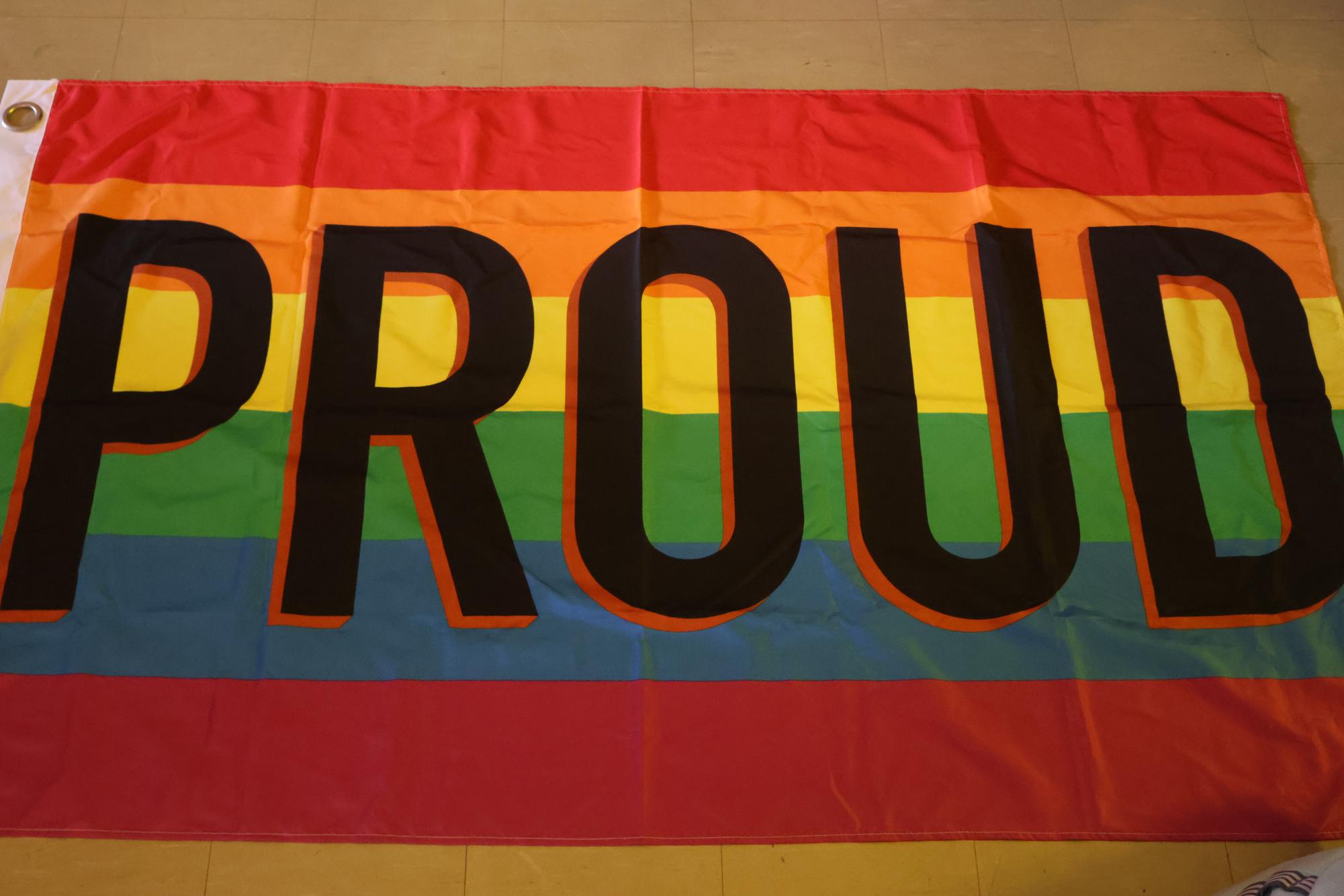
Across schools in the country, students are increasingly encountering lessons about LGBTQ+ topics, yet opinions about these lessons vary widely. Some students say the education helps create understanding and acceptance among peers, while others believe that by teaching these topics, it can lead to a different agenda for students. Students are always encouraged to respect each other’s differences, but LGBTQ+ education remains a controversial topic for some.
Some people believe there is nothing wrong with teaching LGBTQ+ topics in high school or possibly middle school. However, when it comes to teaching it in elementary school, that’s when the debate gets controversial.
Brunswick High School (BHS) sophomore, Carlee Poole believes these topics should be taught so that people are aware that not everybody lives their life the exact same way as everyone else, but it should only be taught in moderation.
“I don’t think it should be excessively taught. Especially not in elementary schools. I can understand in middle and high but what would you even be learning?” Poole said. “I can also understand kids learning that some kids might have two moms or two dads or something along those lines, but I don’t believe it should be enforced on kids heavily.”
This perspective suggests that some people aren’t against teaching LGBTQ+ topics altogether, but are concerned about how heavily the subject is emphasized and what grade level it is introduced.
“I think it should be in a subject such as history and you can learn things like the Stonewall movement and other history of things along those lines,” Poole also stated, suggesting that it should be taught when relevant.
Other students believe that LGBTQ+ topics should be integrated into school subjects like social studies and health class. Brunswick High School senior, Chellsie Shoemaker emphasized the importance of acknowledging the existence of all students, especially when teaching health class.
“I also think that health classes should integrate LGBTQ+ sex ed into their curriculum,” Shoemaker said. “I just think that if you are going to teach sex ed, you need to acknowledge the health of all students.”
Including LGBTQ+ topics in existing school subjects is not about forcing an agenda, but about ensuring representation and equal access to information.
Several students suggested that classes that teach about LGBTQ+ topics should be available, but not mandatory.
BHS senior, Sullivan Givens suggested that there are ways to include LGBTQ+ education in schools without making it part of the required curriculum.
“I believe they should be taught separately, and treated more like an elective subject. I think an LGBTQ+ focused class should be open for all students, but does not require students to take it,” Givens stated. “Clubs are always a great way to introduce a topic like LGBTQ+. It may help to bring in a teacher who is part of the LGBTQ+ community so that students who are interested in the subject are both comfortable and learning properly.”
This perspective suggests that while students support access to LGBTQ+ education, it should be more of a choice than a requirement. Extracurricular spaces, like the Genders and Sexualities Alliance Club at BHS, provide a supportive and safe environment for students interested in learning more about LGBTQ+ history or for students who just want to feel more accepted within BHS.
Even though we are taught to celebrate each other’s differences, educating students about LGBTQ+ in school still remains a controversial topic for some. Students hold a wide range of opinions about how, when, and where these lessons should take place. As education continues to evolve, the focus may not be on whether these topics are discussed, but on ensuring that discussions are informative and inclusive for all students.
Every morning, students stand up and say the Pledge of Allegiance, the last part being “…with liberty and justice for all.”
Why doesn’t society practice what they preach and ensure that all students are acknowledged and represented?
Haze Jeffrey • Mar 2, 2026 at 10:28 am
I think it’s important to teach about LGBTQ+ topics just as much as it is with any other minority group. Queer people should be able to feel represented in their learning just like everyone else should.