


















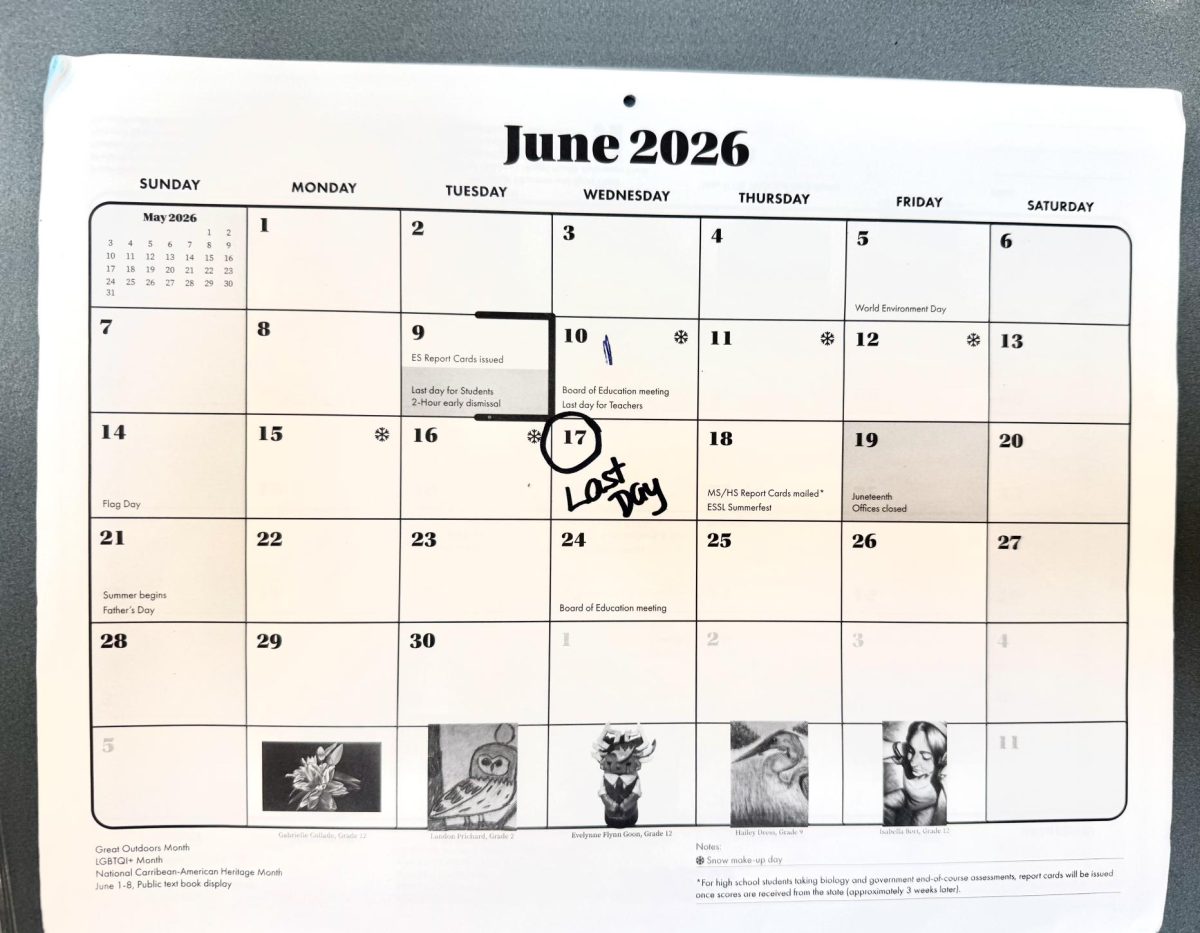









On Sunday, March 8, 2026, most of the United States of America went through the annual transition of Daylight Savings Time (DST). An idea adapted in 1918, Daylight Savings was utilized as a wartime tactic that helped the U.S. conserve fuel. After World War II, transportation improvements and energy conservation urged Daylight Savings Times to be a legal requirement. As of today, Hawaii and Arizona are the only two states exempt from DST.
Aside from its origins, Daylight Savings Time is a debatable topic because of its impact on people. There are unarguably pros and cons to this time switch but it impacts people in a variety of ways depending on occupation, health, and routines.
HEALTH:
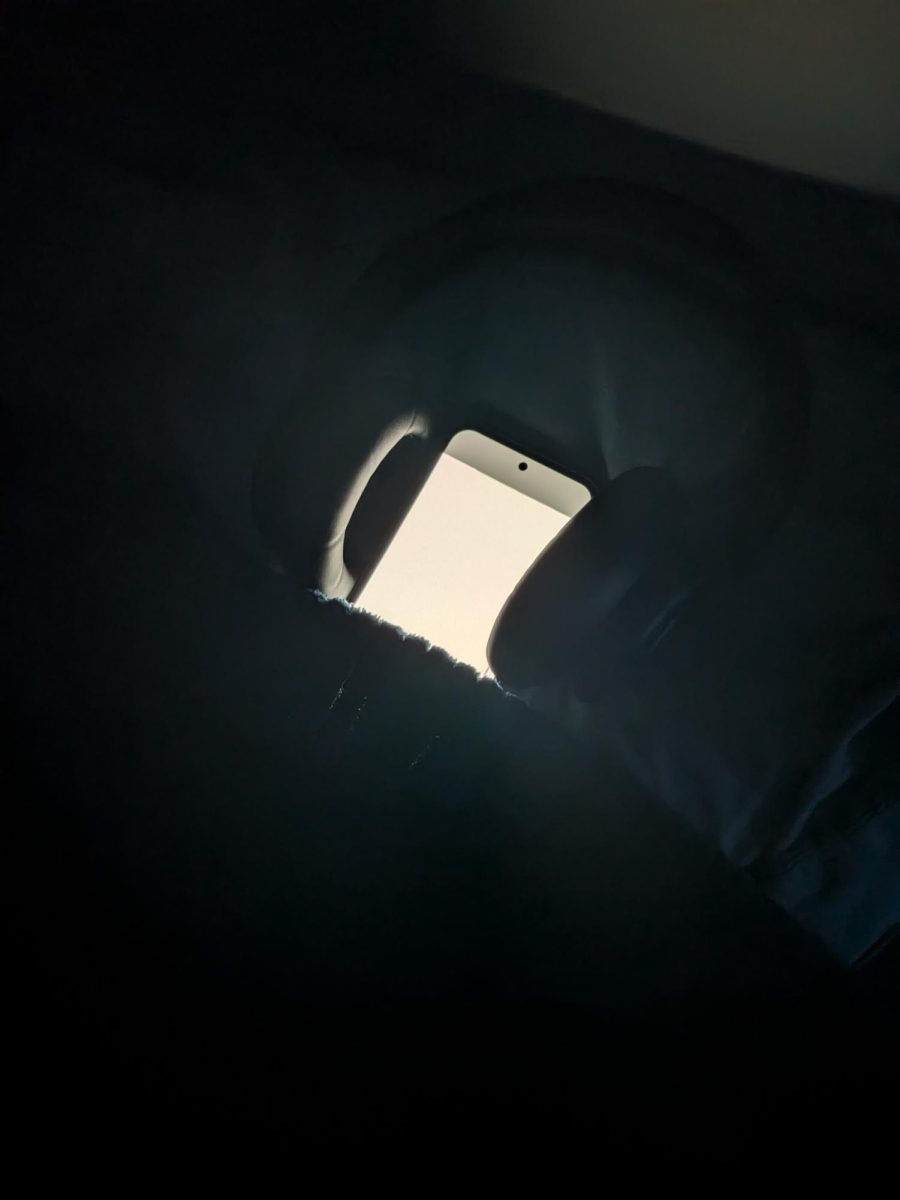
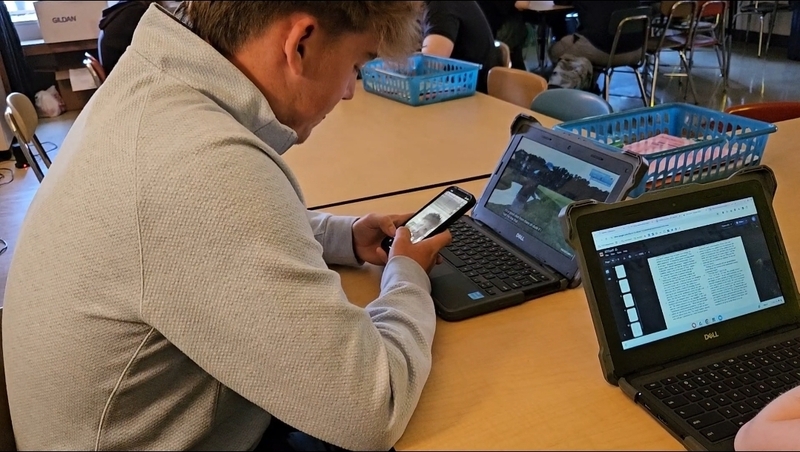
According to The American Heart Association, changing the clocks for DST can be a harmful practice for heart health. Although the organization is unsure of the reason for it, heart attack cases do increase by the Monday after the switch. Studies claim that there is a link between “springing forward” and disruptions in the human circadian rhythm due to losing an hour of sleep.
Effects on Health
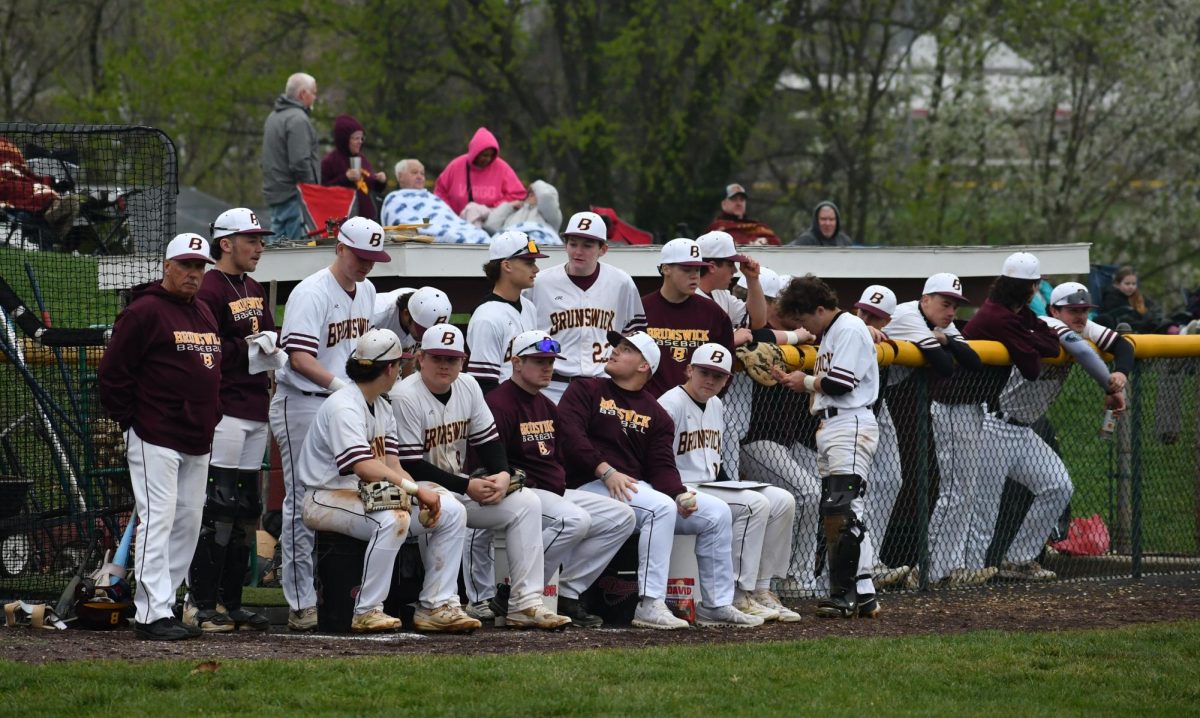
Max Foltz, a baseball player at Brunswick High School shares how DST effects him.
“Sleep quality has been a little low since daylight savings. It’s getting back to normal but some days I’ve been missing breakfast because I’ve needed to sleep in,” Foltz said.
Foltz also said he’s had to adjust his activity schedule.
“I’ve tried to go to bed earlier and get some better sleep so I can wake up earlier,” Foltz said.
Adjusting any schedule can make Daylight Savings a more positive experience. Considering the days of longer daylight, utilizing it to better yourself is a common way people can look forward to the time switching.
Utilizing The Change
Kylie Lawhorne, PT, DPT explained the ways her patients have been able to use the longer daylight for positive changes in activity.
“Regarding patients, I’m a pelvic floor PT so a lot of my patients right now are post-partum moms or moms in general […] Most patients have already told me they’ve been walking outside and spending time with their kids in the park. I think most patients are feeling motivated to just keep moving when it’s lighter out for longer and the days feel longer,” Dr. Lawhorne said.
She also mentioned that although patients are dealing with kid’s sleep cycles being thrown off that there’s steady evidence of a link between mental health and longer daylight.
“We always have an influx of patients that schedule or want to get in as new patients during this time because they have that motivation to get better. I’ve had multiple patients this week say, ‘I feel like a new person,’ or ‘I can feel the seasonal depression leaving my body.’ I feel like the entire time we aren’t in daylight savings, it’s a fight to get people to do their exercises or to be motivated to get better because energy levels are so low and everyone is slightly depressed,” Dr. Lawhorne said.
THE WORKERS:
When it comes to DST, workers were at the frontline of the cause. Due to this, they also take the brunt of the change in both positive and negative ways. Each job and individual experiences it differently.
The Farmer Experience
A widespread theory behind Daylight Savings Time is that it was made for farmers, by farmers. This is actually a myth. Historically, most farmers were widely against DST because their farming routines and animal care did not depend on a clock, but rather, the sun. Not to say that farmers can not utilize extra daylight in the evenings. But in modern farming, it is debatable whether it is necessary to take on the job.
As for Jamie Geisbert, a Middletown High School FFA member with a specialty in dairy cows, she claims that a farmer’s work is ongoing no matter what.
“Even if we had less light we would still continue to do the same tasks, just in the dark,” Geisbert said.
Signifying that although it may aid farmers to have extra daylight, farming is a 24/7 commitment regardless of the time.
Geisbert also explained that it is a farmer’s job to accommodate the animal’s schedules. Not the farmer’s own schedule.


“Most Dairy Farmers switch their own time to accommodate for their regular milking time,” Geisbert said. “Tasks and jobs stay the same, the only thing that changes is the time we do them. As farmers we tend to the animals’ needs so if that means waking up an hour earlier so they still eat at their normal time that’s what we do.”
Because cows and other barn-yard animals thrive on habit, it may not be a struggle for them to adjust to the time because it is all up to the farmer to adjust milking times. Farmers like Jamie must either pick between adjusting their routines or dealing with cows that are ready to be tended to an hour early due to jumping forward an hour.
The Educator Experience
For teachers and those who work in the education system, the impact of DST can be seen from multiple perspectives in the same room.
Ms. Peterson, an English and Theater teacher at BHS has observed the change in students during the spring forward and even reflected on own experiences.
“With spring forward students are way more tired from adjusting to the time change and I’ve had a lot of issues with absence as well. I will say it’s beneficial in the sense that we get more daylight which takes a bit to just to but I do appreciate that. However, the immediate effect just the few days after just shows how students are groggy, less focused, and again many absences,” Peterson said.
During this period of time, due to students working at a slower pace different from fatigue, teachers are responsible for still keeping the class on a routine schedule. This means teachers may have to work harder to engage the class on top of their own personal impact from DST.
Besides groggy students and the extra effort from teachers, there is a positive to this change. After all, daylight lasts longer.
For Peterson’s case, she works as the drama club advisor and director for the plays and musicals which requires her after school frequently. Before Daylight Savings Time, she would typically be getting off work when it’s already becoming dark out and she would be coming to school in the early morning when it’s still dark. Now after school, she is able to see the light of day.
“I leave before the sun comes up and I don’t leave until the sun goes down so I rarely get to see the sun,” Peterson said.
THE PUBLIC DEBATE:
According to most studies, only 12 percent of American adults have a preference for the current Daylight Savings Time system and the time switch twice a year. This reveals that the remaining people of the study were either in favor of abolishing the current time system or they were neither favored or opposed.
Chad Shoemaker, a BHS alumni, has a very particular belief on DST.
“It would be better for the country to constantly run on one timing all year long. If the entire year had Daylight Savings Time hours it would be better for people. It’s also nice to be able to constantly have extra time to do things,” Shoemaker said.
While the numbers show a significant favor for abolishing the DST system, it is still widely debatable whether it should be changed. Both positives and negatives can be found on both sides of the debate but everything comes down to one’s own personal lifestyle, health, and occupation.
Should the country remain in this system or should it be changed?