
















Year round school sounds awful to both students and teachers, but actually, year round school tends to allow for more consistent education compared to our current school year.
The continuous school year can have positives. Since what can be a four month break is cut to only a month-long break from school, students actually retain all the knowledge from the previous grade when entering into new classes.
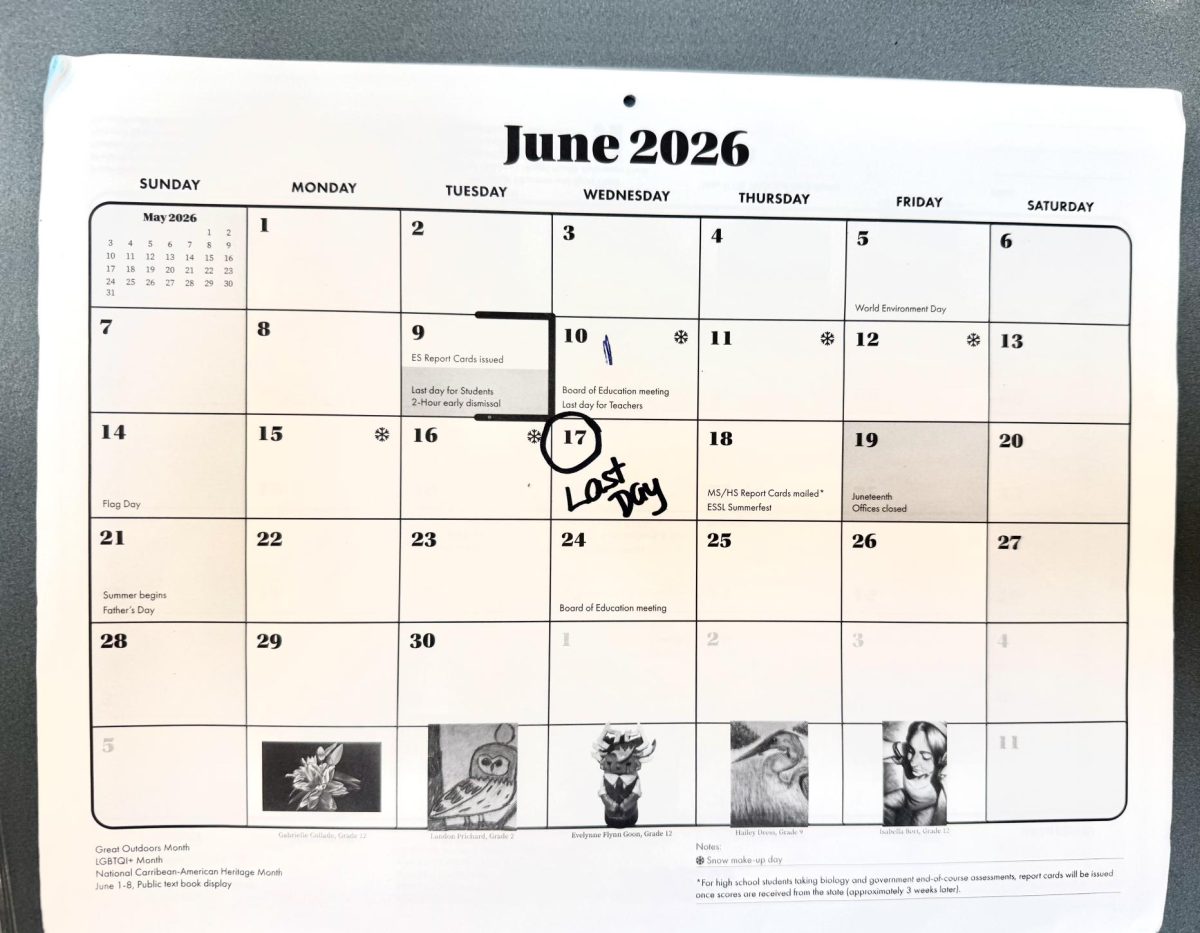
Generally the assumption is that year round schooling has no large breaks during the school year, but this is incorrect; instead of a continuous break it is split up into numerous week long or month long breaks in its place.
The continuous school year can also have negatives. Without the massive summer break, many won’t be able to work summer jobs and some that work after school may be burnt out more easily. This is already a prevalent problem with students across the country, which can also affect teachers mental and physical health.
Despite the benefits of year round schooling, the main issue with the change in schedule is how incredibly difficult it would be to rearrange the school calendar. The average school year is preferred among officials that manage the different schools, so convincing them would be a challenge. Additionally, considering how slowly changes to schools take, adjusting the schedule at this level would take a very long time.
Adjusting to year round school years wouldn’t just affect students, their families, and teachers; it would also significantly affect businesses. Many companies would need to adjust their operations to compensate for the lack of high schoolers working. Business revenue would decrease due to less customers since so many kids will remain in school for longer. Businesses would have to adjust for the new times that students will be out of school and so will many other larger corporations (like amusement parks) will have to alter how they operate to account for a less profitable summer.
The standard school year still has benefits when compared to year-round school. The four-month break allows for each school year to remain distinct, providing eight consistent schooling months-and accommodates the hottest time of the year. Teachers have more time to get their syllabi ready for the next school year with summer break being four months in a row.
The four-month break can cause such a severe disconnect between years, but also the four month break can leave many students bored, and with parents working it can be hard for parents to find childcare for an extended period of time. Implementing year-round schooling would alleviate the burden on parents to find care for their children for months in a row.
There are other alternatives but they have almost no support in the U.S. for example the Japanese schedule is split into three different quarters with a break in between each quarter, this works since Japanese schooling is significantly more intensive compared the the US.
In the Philippines, they adjust their school calendars to avoid the extreme summer heat, this will likely become more common across the world as global warming continues to worsen, this could become the case for schools in the US.
School schedules could very likely begin to be influenced heavily by the weather since many schools don’t have the best air conditioning due to low funding. To protect students during extreme temperatures, implementing a year-round school schedule with scheduled breaks for the hottest and coolest months could be in the students and admins best interest.
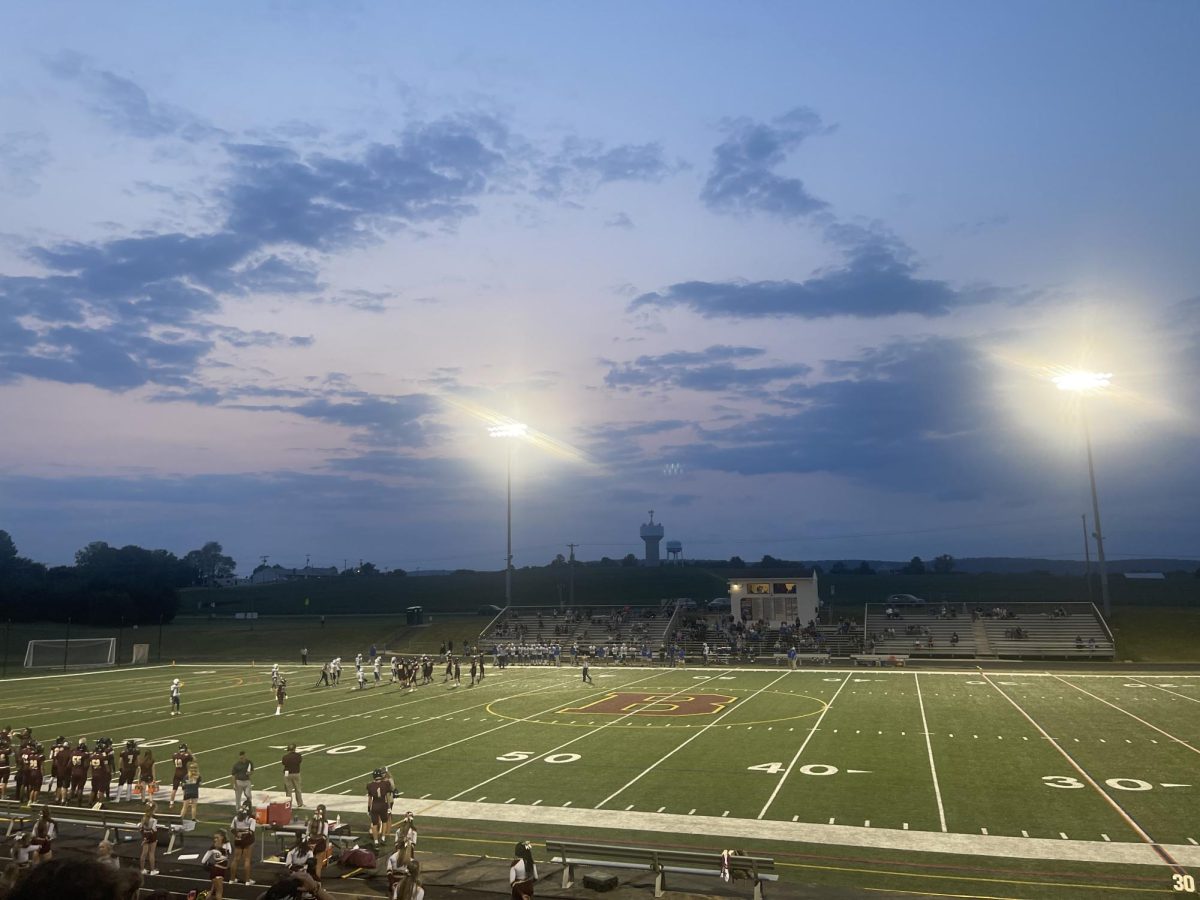
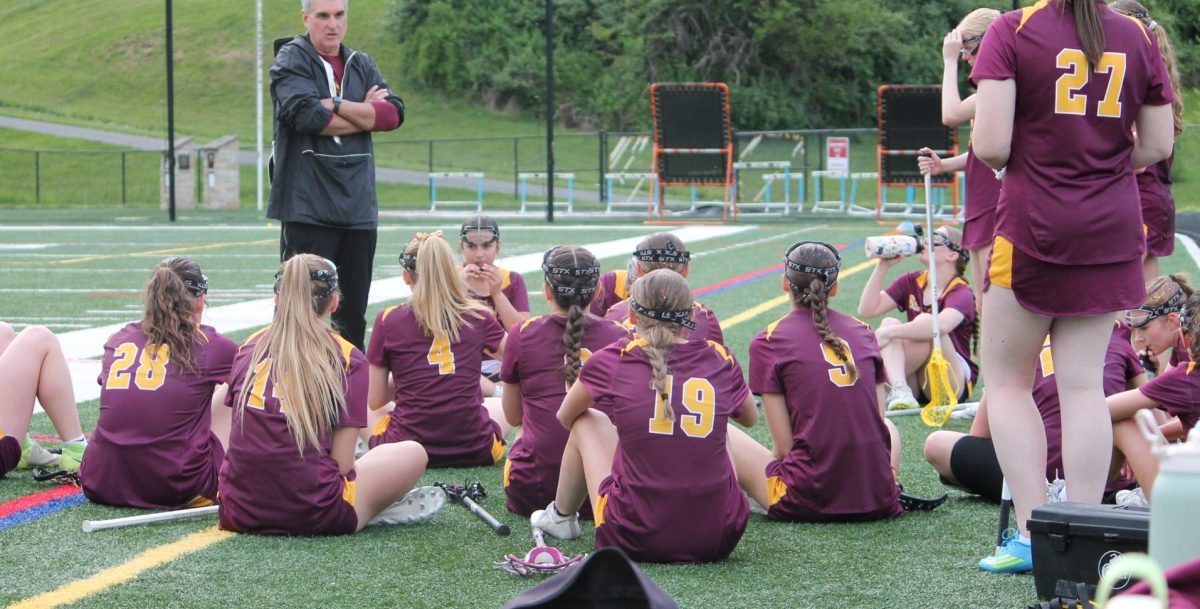
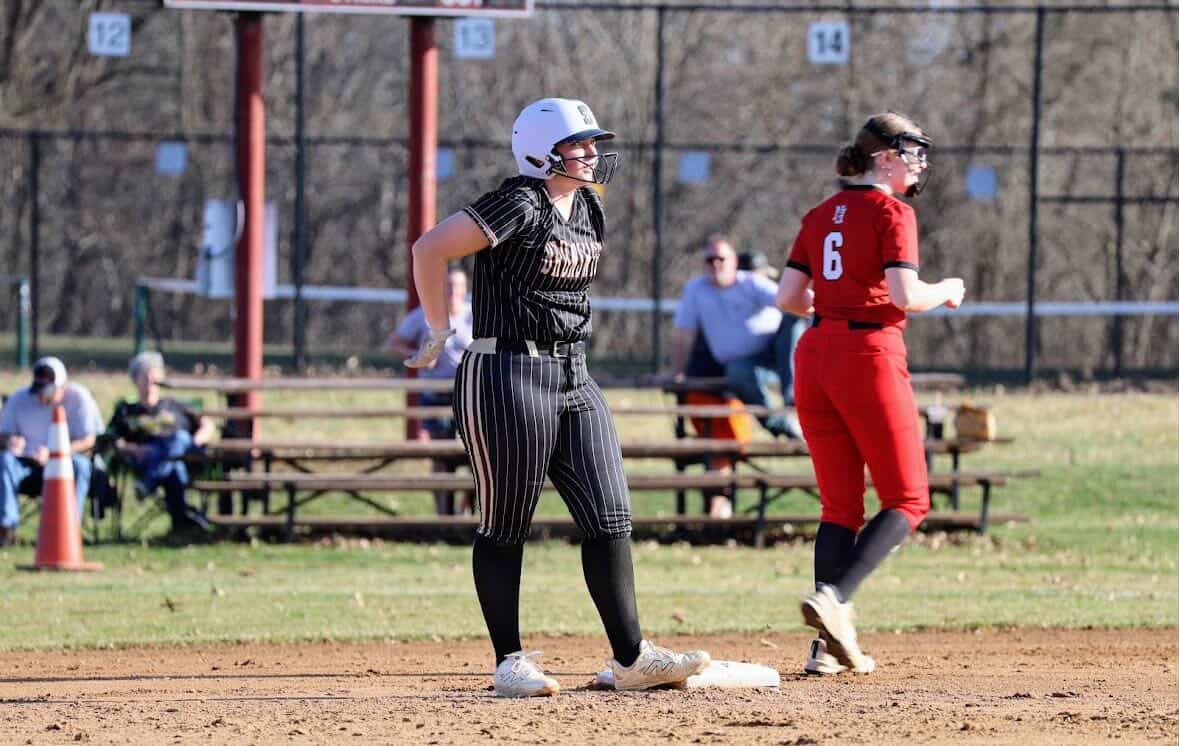
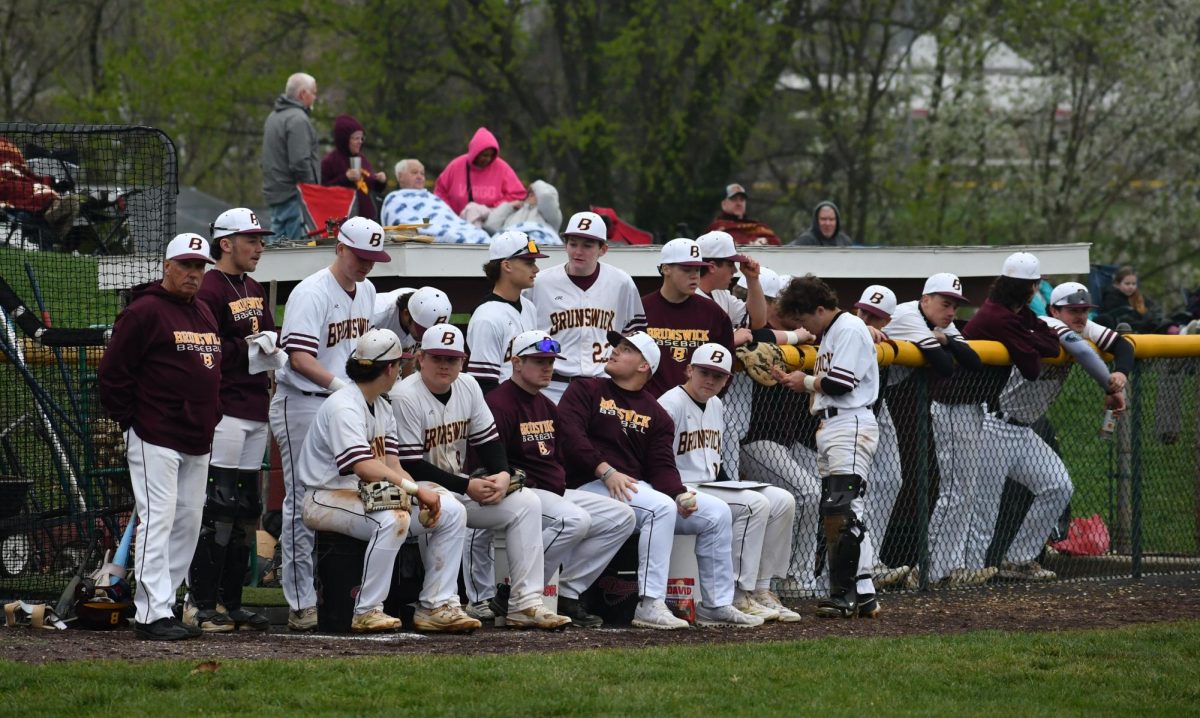
Students playing sports isn’t the only outdoor activity that schools provide, agriculture classes would also benefit from a year round school schedule. A longer school year gives students more time to observe the full growth cycle of crops. The standard school year is interrupted by winter, which is not ideal for classes that need to be outdoors.
The year round school schedule has its advantages and disadvantages when compared to the standard school year, but with changing climates there is a chance where neither are viable and we could begin moving schools into the direction of building schedules around the weather and temperatures.