




































Across schools, conversations about student mental health have become increasingly common. From academic pressure to social expectations, many students face challenges that impact their well-being. While schools provide resources such as counselors and support programs, questions remain about whether these efforts are enough to meet students’ needs.
Students’ mental health has become a growing concern as academic demands continue to increase. Balancing homework, tests, extracurriculars, and personal responsibilities like part-time jobs can create overwhelming levels of stress. For many students, school is not only a place for learning, but also a major source of pressure to get good grades that can negatively affect their mental health.
While students feel schools could improve mental health support, they also recognize efforts that are already being made. Graham Markham, a Brunswick High School (BHS) senior thinks that schools could do more to support students’ mental health but he doesn’t dismiss the things they already do.
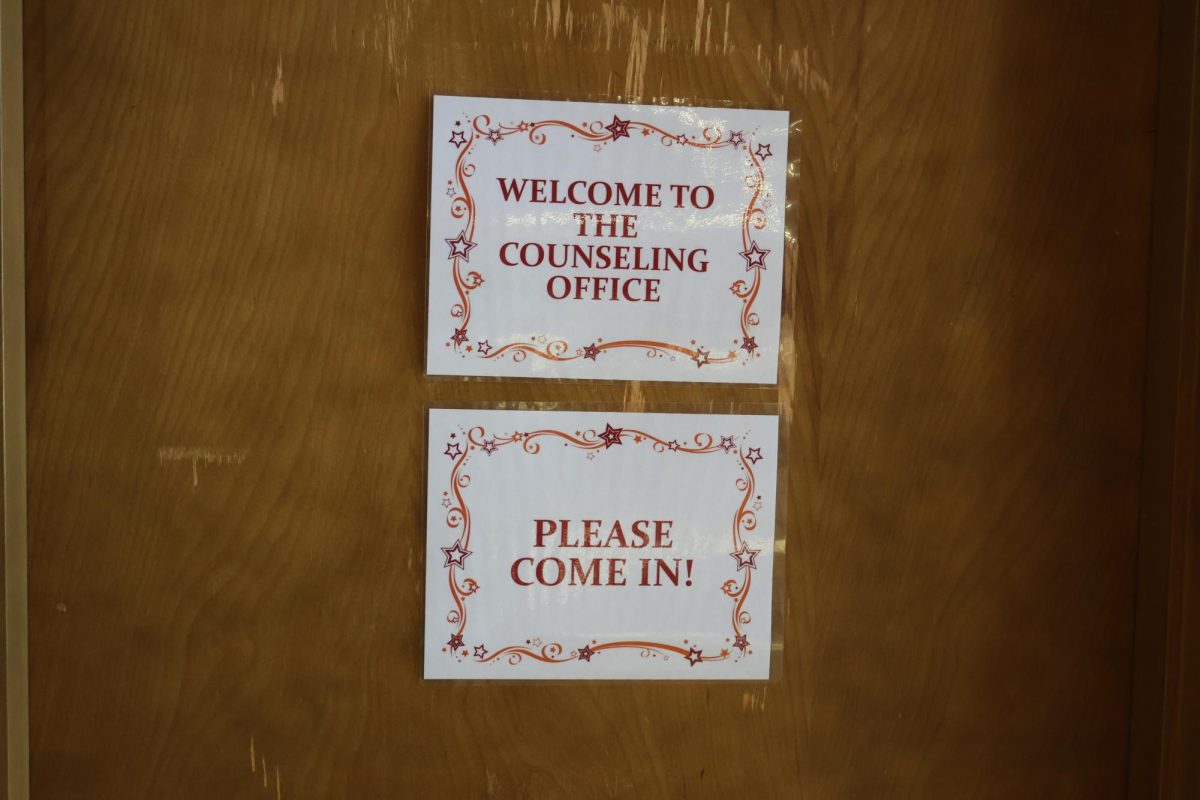
“I think it could be better but there are certain aspects that are great,” Markham said. “Dr. Foster is a great guidance counselor.”
This response suggests that while support systems exist, their effectiveness may depend on how actively they are used and the effort that is put into supporting students the best they can.
However, some students believe that the issue goes beyond individual support and is tied to the structure of the school system itself. When asked if schools do enough to support students’ mental health, BHS senior Chellsie Shoemaker said no because of how the school system operates.
“I think they inherently don’t because of the way public school is set up and that’s why it’s challenging for the average person,” Shoemaker said. “But because people are so used to this system, schools don’t expect to need to help people to the degree that is most likely necessary.”
This perspective highlights the idea that current school systems may not be designed to fully address the mental health needs of every single student.
Academic pressure remains one of the biggest factors affecting student mental health. Chellsie Shoemaker mentions the pressure put onto students to do well in school, saying that their future practically depends on good school performance.
“I think knowing that everything you do in high school dictates your future would probably be the most stressful,” Shoemaker said.
This reflects the pressure many students feel to succeed—which can contribute to anxiety and stress.
Students also suggested changes that could help schools better support mental health. Chellsie Shoemaker suggests rethinking the education system and introducing new learning styles that can fit each student’s needs.
“I think they can teach students differently and encourage different learning styles for each student rather than treating each student like a number in a system that doesn’t treat them fairly as an individual,” Shoemaker said.
This suggests that a more individualized approach to education could help reduce stress and improve overall well-being as well as acknowledging that every student learns differently.
While schools have made efforts to support student mental health, many students feel that there is room for improvement. Support systems such as guidance counselors can make a positive impact, but challenges like academic pressure and the structure of the school system continue to affect student well-being.
As awareness of mental health grows, improving access to resources and creating a more supportive learning environment may be key to helping students succeed both inside and outside of the classroom.