


























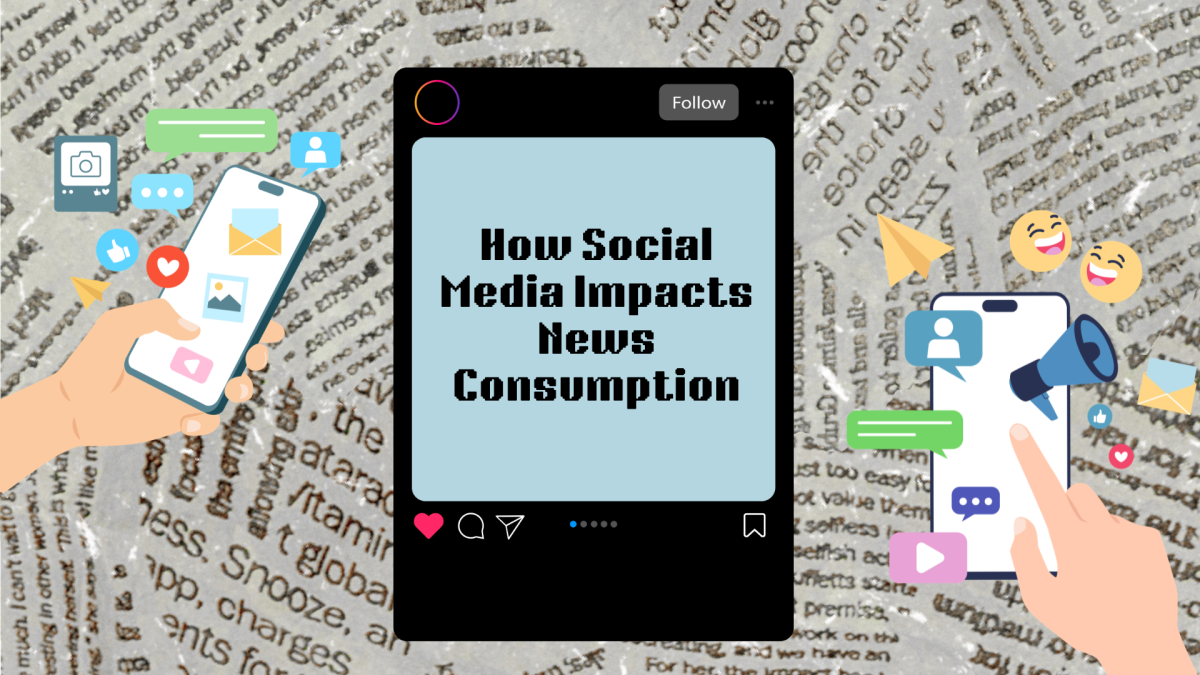



Social media has changed what it looks like to consume news on a daily basis, especially for teenagers and young adults. Around half (53%) of U.S. adults say they at least sometimes get news from social media.
Social Media’s Impact
As social media has expanded it has allowed news to be shared much faster and broader.
While this can be useful for journalists and reporters trying to share real news, it unfortunately means fake or untrustworthy news can be spread just as fast.
The news is meant to be informative, but with the amount of attention it can gain on social media some topics are brought up just for engagement, rather than for true advocacy. Content creators may choose audience engagement over sharing true facts.
News spread through social media often shows headlines that grab users attention but also can be misleading without the full context.
Calah Kaufman, a Brunswick junior, said that she sees news topics on social media about once a week.
“I usually just scroll past when I’m not interested in the topic,” Kaufman said.
While the intention of news shared through social media is to keep people informed, consuming too much news can be overwhelming for many teenagers.
Effect on Mental Health
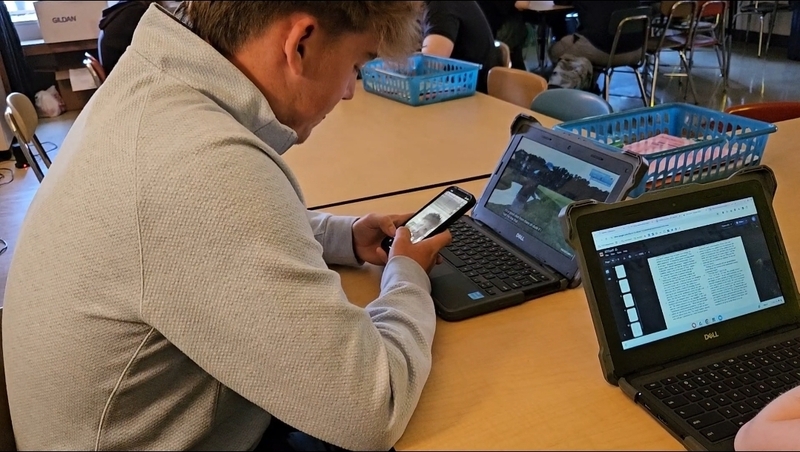
Since so many teenagers use social media they are likely to come across news content often if not everyday. While many of the topics covered are likely important, being exposed to constant stressful topics can lead to “media overload.”
Constant exposure to news can also desensitize teenage viewers in many ways which causes an increase in fear and anxiety from certain topics.
Kaufman explains how seeing negative topics in the news can add to her stress.
“Unfortunate things happen all the time which leaves me feeling worried about everyday life,” Kaufman said.
It’s hard for many to find a balance between keeping up with current events, while also trying to keep a positive mindset.
The topics that seem to cause the most stress are ones that people feel they don’t have control over. This can cause an individual to feel more worried or have a negative outlook on the future.
How to Reduce Headline Stress
One way to limit stress and anxiety from news topics is to simply monitor how much negative news you are consuming or limiting social media as a whole. Turning off notifications for social media or news apps can help limit the amount of time spent doom-scrolling through negativity.
The only downside to this is an individual might not be as informed on important news topics.
A solution to this can be to change how readers process news. Instead of only reading headlines or just being a viewer of news, try doing some research on ways you may be able to take action on an issue you care about.