

















The Importance of Safety & Teamwork in Adventure Racing
Adventure racing is a high risk but high reward activity. With this risk comes the expectation to know and understand how to stay safe out on the course. Teams are expected to formulate a plan together, establish roles and responsibilities, and agree on a race goal all prior to starting.
In the biking portions, racers must be prepared and aware. Properly fitted helmets and well-maintained bikes should be ready before the race starts. While on trails and paths, teams must communicate constantly, calling out obstacles, slowing when visibility drops, and adjusting pace so no one is pushed past their limits.
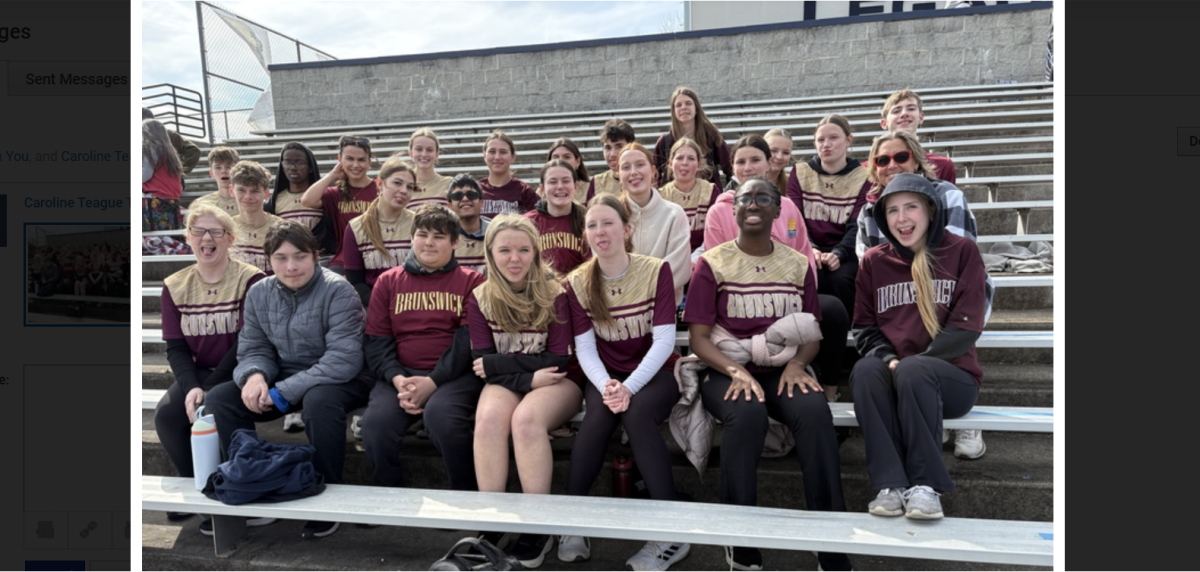
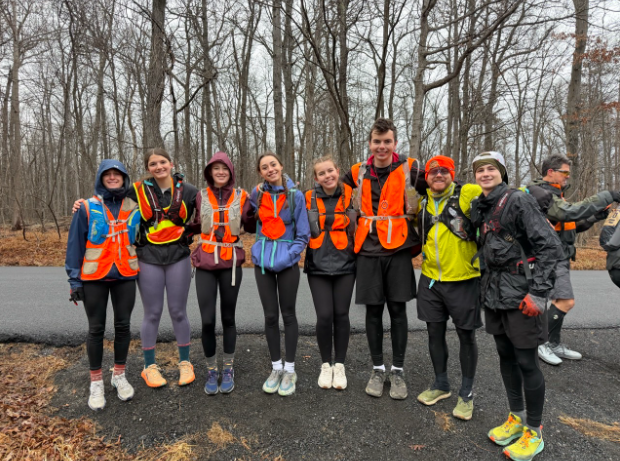
Mr. Johnson, the leader for Full-Steam Ahead here at Brunswick High School, had this to say about communication in adventure racing. “When racing communication is one of the most vital things that can determine your team’s success or not,” Johnson said. A crash or mechanical issue affects the whole team, making patience and clear communication essential.
“You’ve got to let each other know how you’re feeling, that lets you know how quickly you can move,” Johnson said.
Water sections add another layer of risk. In races held, outside of the winter months, paddling, rafting, and swimming are not common components. Knowing water levels, conditions, temperature, and currents are crucial. Having a route planned out ahead of time will not only get you through faster, but also safer. Proper gear, such as moisture-wicking clothes, PFDs, throw ropes, and helmets is also vital.
Trekking often looks simple, but can be the most demanding. Uneven ground, steep climbs, and navigation challenges increase the risk of injury and exhaustion. Teams that move safely manage pace, watch foot placement, and speak up early about blisters, cramps, or low energy. Sharing navigation duties and decision-making reduces mistakes and maintains team morale.
Besides safety precautions for specific sections of races, there are also many general rules. Proper fueling and hydration are crucial, however these small but essential details are often easy to overlook. One factor that people tend to forget about is the mental aspect in racing. Sophomore Lillian Cheeseman who has participated in past adventure races talks about her mental preparation, “My mental preparation is like a checklist, have I checked in with my team, have I done my race prep, and during the race am I drinking and eating,” Cheesman said.
Teammates must help keep one another dialed in on eating and drinking consistently throughout the event. Taking breaks to catch your breath, assess your surroundings, and communicate with your team can make a significant change in morale. Knowing and preparing for the weather before race day, and having backup gear/clothes. Above all, a team should never leave any members behind. Doing so is not only extremely dangerous, but it also shows a lack of respect for the team as a whole.
Across all disciplines, teamwork ties safety together. Adventure racing rewards teams that communicate honestly, make collective decisions, and prioritize finishing together over individual performance. When teammates support each other—physically and mentally—they not only reduce risk but also strengthen trust.
Jossalyn Henry and Kait Virgilio are Brunswick students and are adventure racing teammates that have been selected to represent Team U.S.A in the U18 division at the Junior Adventure Racing World Championship in Quebec, Canada, this July.
“The international event, organized by the Adventure Racing World Series, brings together youth teams from around the world for several days of racing that combine trail running, mountain biking, paddling, and navigation through rugged wilderness terrain,” Johnson said.
Henry and Virgilio have been preparing and will run multiple races including a 24 hour adventure race to prepare.
“For Henry and Virgilio, the journey to Canada is about more than competition. It represents months of preparation, countless training miles, and the chance to represent their community—and their country—on a global stage,” Johnson said.