











April 14, 2025.
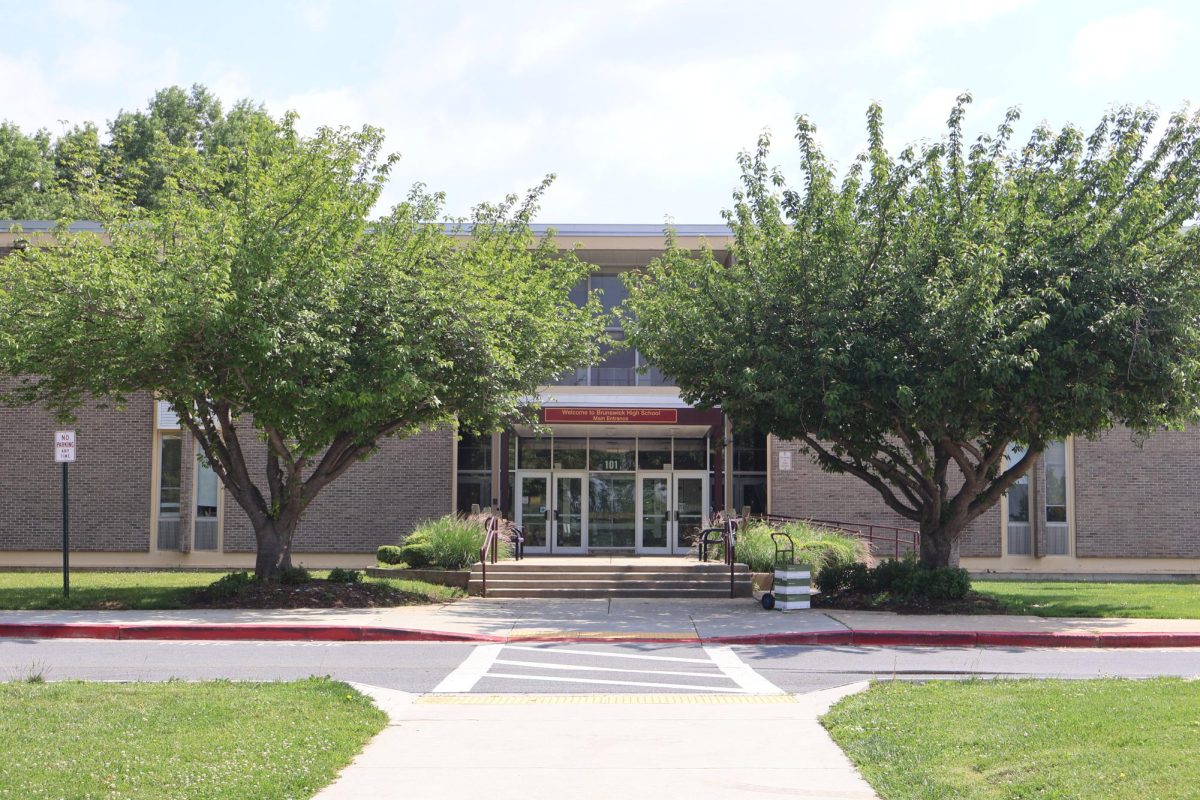
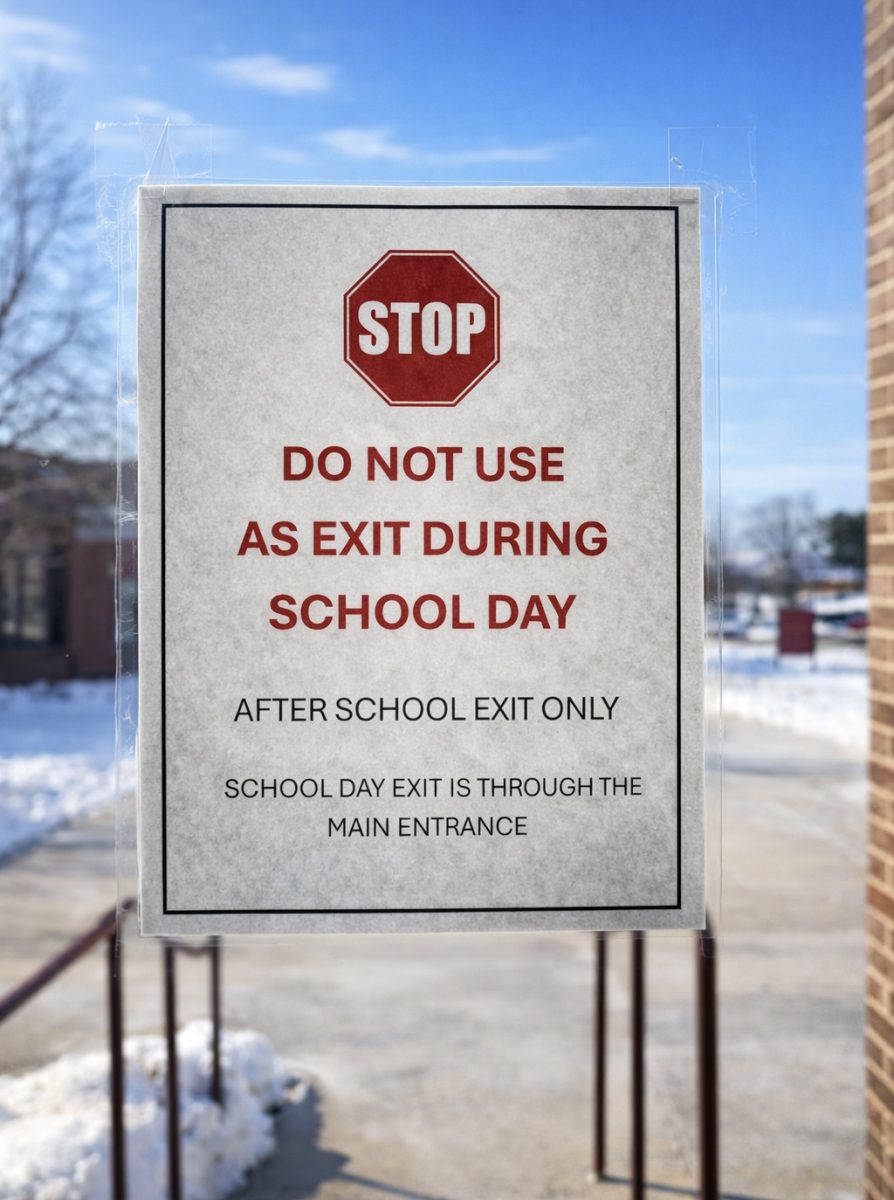
Brunswick High School student athletes were forced to leave the building at 2:25 due to FCPS safety and supervision policies outlined in Regulation 111-02: School Security and Facility Access. Under this regulation, all exterior doors must remain secured, visitor entry must be controlled, and proper supervision is required to maintain a safe environment. The policy emphasizes that schools must regulate who is in the building, where they are located, and ensure all areas are supervised. As a result, student athletes are no longer permitted to remain inside the building after dismissal without direct supervision.
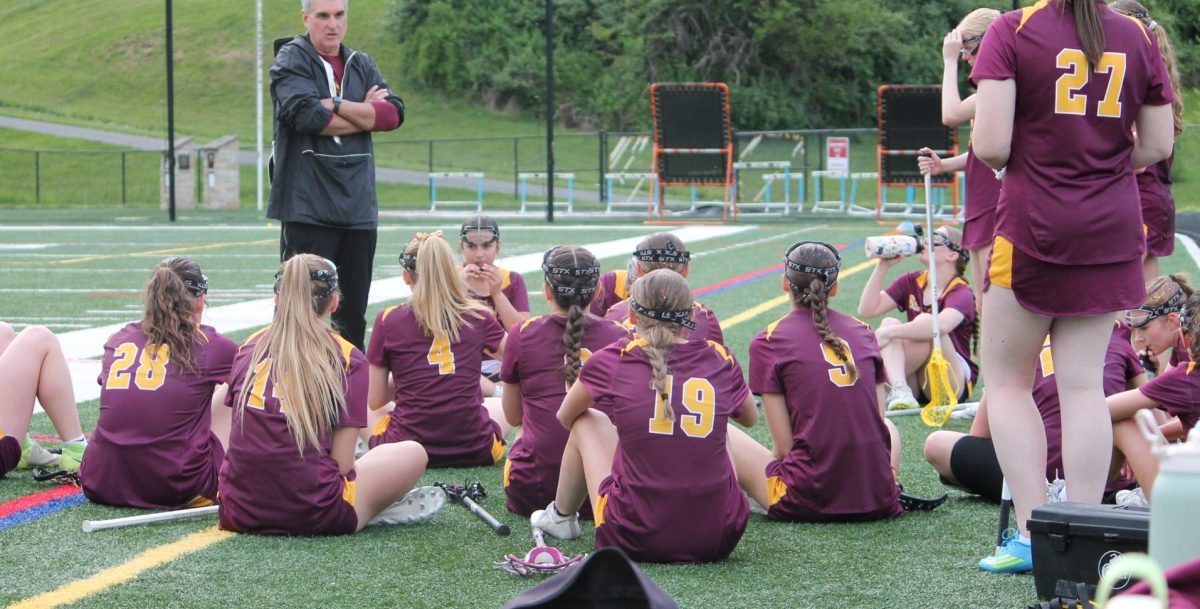
Student athletes are put in an impossible situation if they don’t have transportation after school. They can’t stay in the building unsupervised, especially if coaching staff isn’t in the building. Many can’t go home between school dismissal at 2:25 and practice starting at 4:00 or later. So where do they go?
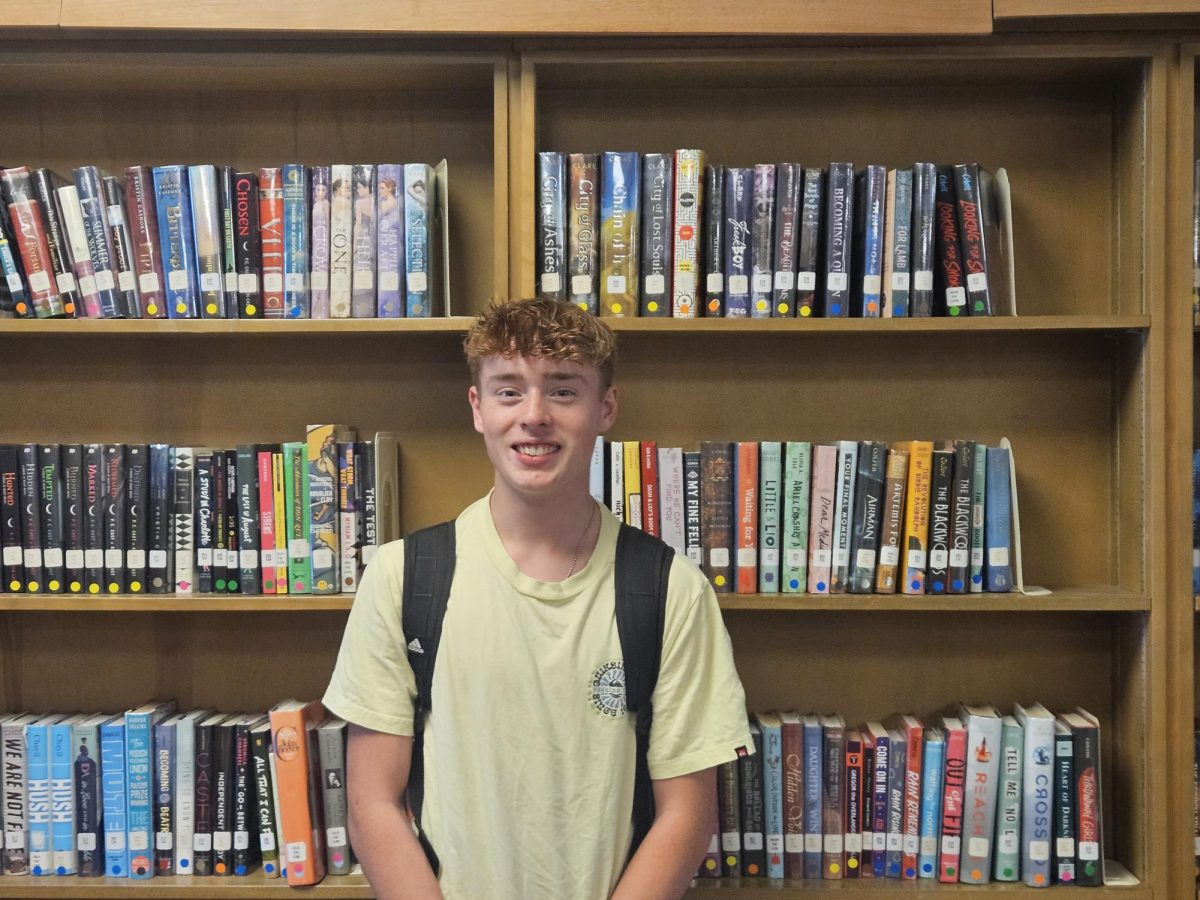
Clay Lindley, Brunswick sophomore and student athlete, who doesn’t have a license or after school transportation shares the concern with nowhere to go before sporting events.
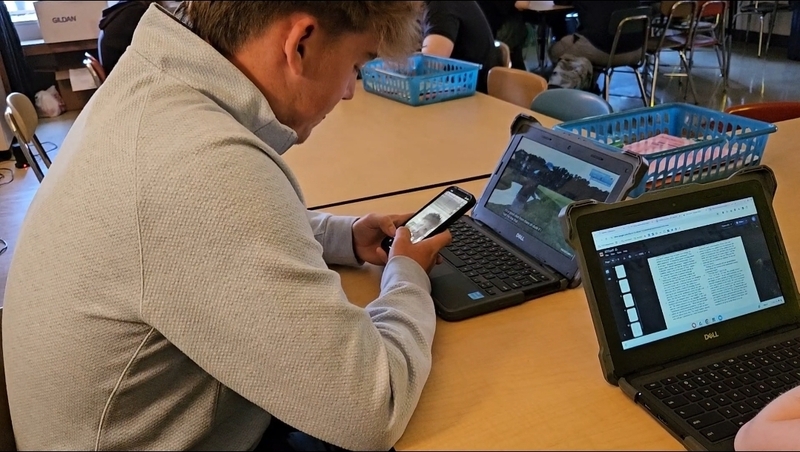
“I am usually forced to walk around Brunswick in the cold until 3:30-4 due to the fact we are not allowed in the building and that’s the earliest I can be picked up,” Lindley said. “Since I am without internet I am unable to do any work and by the time I am home I’m already getting ready for practice or game. Having to wait outside sucks plus the cold makes it even worse.”
Some students have tried staying in the cafeteria to escape the cold, only to find themselves being told by their coach the administration told them that the students could not be there without them present. The policy appears inflexible, leaving families scrambling for solutions that simply don’t exist for many.
Brunswick’s Athletic Director Gregory Keller shared where students should go if they cannot stay in the building and cannot be brought back up to the school in time for their sporting event.
“The location of student athletes after school is a family decision. If athletes are having difficulty arriving for events, then I recommend communication with their coach. There may be team members that can help one another when this arises,” Keller said.
Not every family has the flexibility to provide transportation multiple times in one afternoon. Not every student has a teammate who lives nearby or parents willing to shuttle extra kids.
Principal Eric Schwarzenegger explained the administration’s position.
“All schools are responsible for maintaining a safe environment, and effective supervision is a critical component of that obligation, particularly during school-based functions such as athletics,” Schwarzenegger said. “Knowing who is in our building or on our campus, where they are located, and the purpose of their visit helps ensure a secure and orderly environment for all. Additionally, proper supervision strengthens our ability to respond appropriately to any situations that may arise.”
Keller elaborated on how other schools handle supervision after school.
“Practice times and needs of programs vary from school to school. Some programs have provided supervision after school by a coach from time to time where transportation is problematic for team members. Unfortunately, there is currently no position funded by FCPS to provide general after-school supervision for students involved in extracurricular activities that begin later in the evening. It is an athlete/family’s responsibility to arrive in a timely manner before published event times and be picked up in a timely manner following a practice or contest,” Keller said.
A student from Tuscarora High School said that student athletes “chill in the gym where a teacher or coach supervises.”
This would be an ideal solution for students with no coach or supervision or place to go after school in Brunswick.
The administration and Brunswick athletic director have had conversations with students, parents, and coaches about challenges this situation creates and whether any attempts had been made to solve these problems.
“I’ve been part of a few discussions related to athlete supervision since my arrival in November. This same challenge exists to some degree at every high school. Typically, it exists more with younger athletes that practice at times later in the evening or need to return for a contest. Transportation from home to school for extracurricular activities is an athlete/family responsibility. Supervision of athletes present for team events is a coach’s responsibility,” said Keller.
“I am not aware of any complaints [about the policy],” Schwarzenegger said.
However, multiple student athletes described ongoing challenges with transportation, access to supervised space, and the inability to complete schoolwork between dismissal and practice.
With limited options to pay a staff member or individual to help supervise after school it limits options for student athletes.
“Unfortunately we do not have the ability to staff a position for the purposes of student-athlete supervision between the end of school and the start of contests or practices. I encourage student-athletes who are struggling with this situation to work with their coaches on developing a plan,” Schwarzenegger said.
The option of the study hall or gym meeting, like done at Tuscarora High School, really appealed to Brunswick athletes.
“I would most definitely use [a supervised study hall]. It gives me a place to stay and do homework and study,” Lindley said.
Anonymous • Feb 18, 2026 at 11:59 am
Maybe instead of having the kids reach out to coaches, the AD should talk to the coaches. You know, adults being the adults in the situation.
Brunswick is a huge reason for all of these new rules, maybe they should actually try to make things better for their student athletes rather than making them worse!
Mrs. Kowalski • Feb 18, 2026 at 11:32 am
I appreciate how both sides of this issue have been researched and the investigative reporter even reaching outside the building to get insight from other schools as well.