
























On March 23 in Annapolis, Maryland, the Maryland General Assembly decided to focus on enacting one of the most comprehensive student cell phone restrictions in the state’s history.
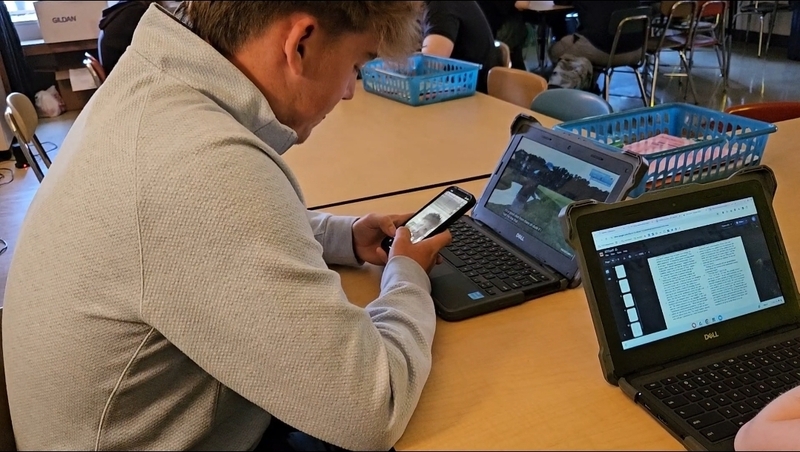
Both the Senate and the House of Representatives voted to pass the bill that would prohibit public school students from using their phones throughout the entire school day including lunch.
The Senate voted unanimously to pass Senate Bill 928, sponsored by Sen. Kevin Harris (D-Prince George’s, Charles, and Calvert), and the House voted 135-1 for House Bill 525, sponsored by Del. Adrian Boafo (D-Prince George’s). The bill will ban phones between the bell rings, during class, during lunch, during recess, and during passing periods between classes starting in the 2027-2028 school year.
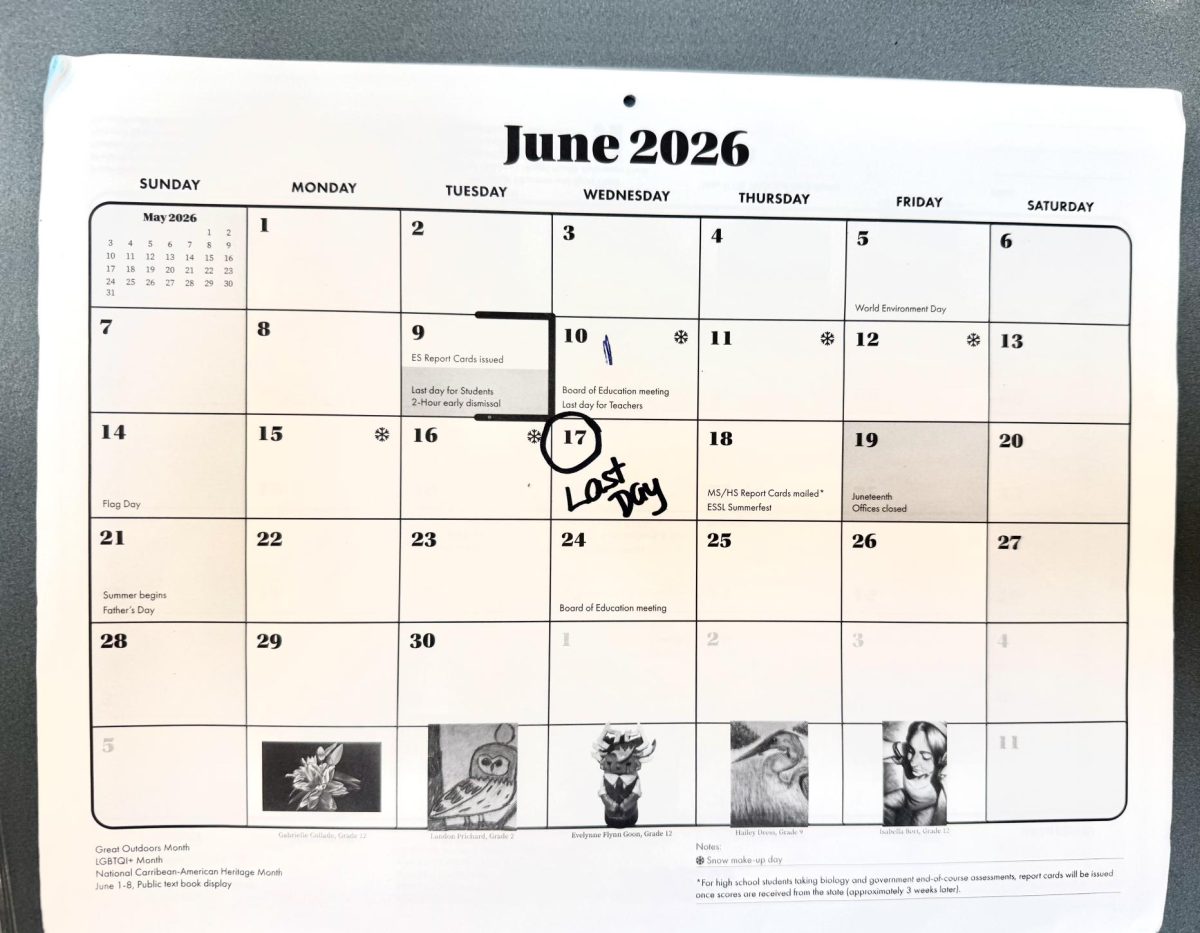
Each of the school districts would have until September 1, 2027, to adopt a policy regarding the use of cell phones in schools, as well as to adopt penalties for students who violate the policy.
The bill does include exceptions, students with documented health conditions, caregiving responsibilities, or an Individualized Education Program could still access their devices when needed.
Not everyone agrees with this bill.
Ronza Othman, president of the National Federation of the Blind of Maryland, submitted written testimony opposing the bill, discussing if the bill violated student rights under the Americans with Disabilities Act.
“You cannot sacrifice privacy and safety of students with disabilities in order to implement what appears to be a quick fix for classroom management challenges,” Othman said.
Supporters of the bill, point to research linking excessive screen time to increased anxiety, depression, and sleep disruption in teenagers. A January survey from the Brookings Institution found that 90 percent of adults and nearly 80 percent of teenagers support some form of restriction on phones in schools.
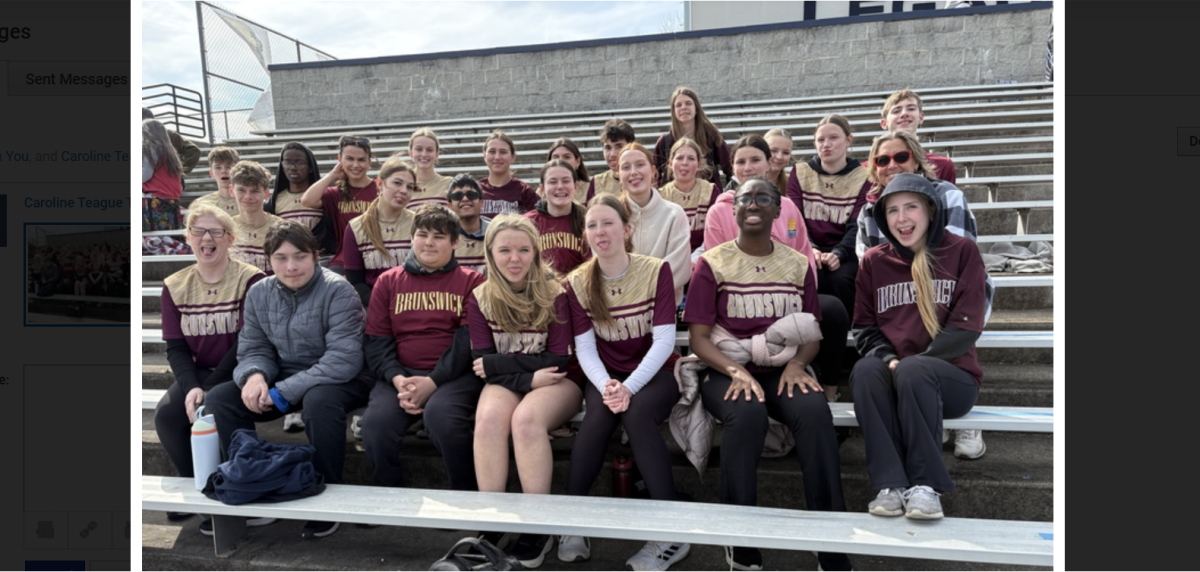
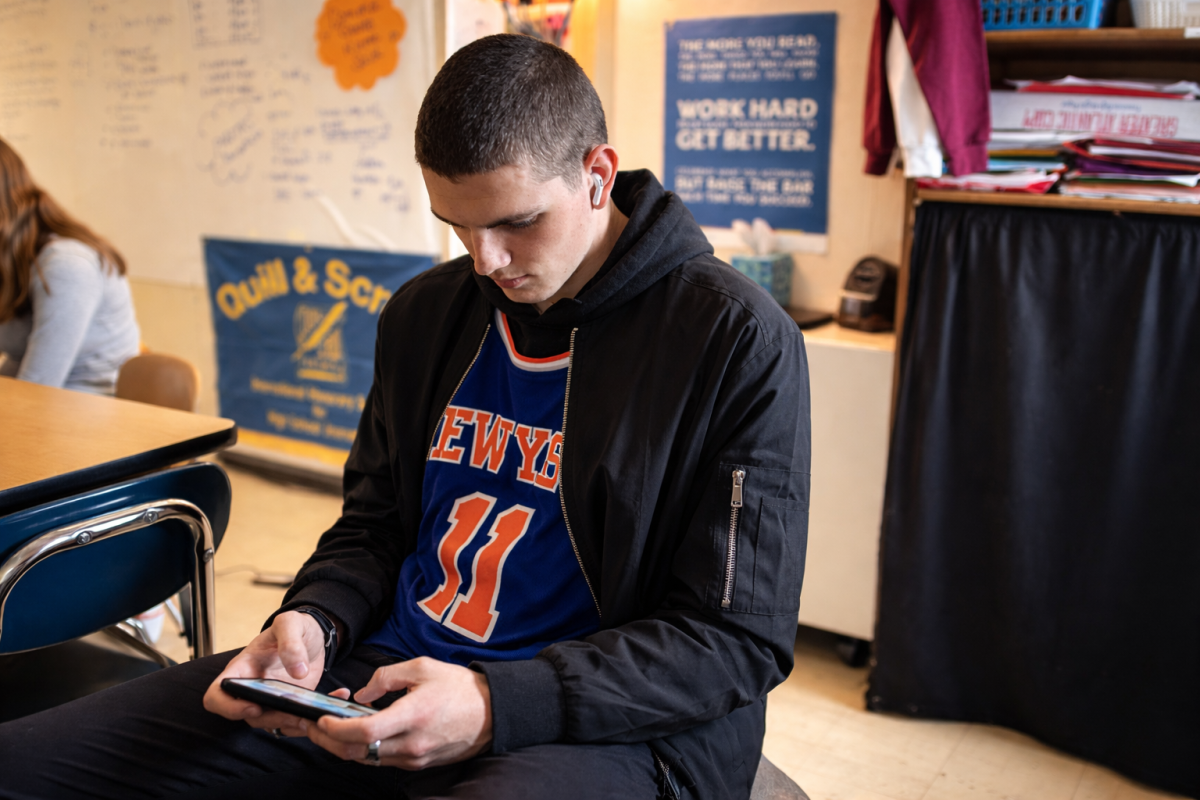
For the students, though, their reaction has been less enthusiastic. Carlee Poole, a student journalist and social media manager at her school, said the ban would directly interfere with her schoolwork.
“I think it’s stupid,” Poole said. “Especially for journalism. I’m the social media manager, and I use my phone a lot for class.”
Poole said students in her program rely on their phones to record interviews, take notes, and manage assignments.
“We’re doing so many things with our phones that we need them to be able to do our assignments,” Poole said.
Sasha Steyee shared a similar sentiment.
“I think it’s a terrible idea,” Steyee said she primarily uses her phone during the school day to stay in contact with family. “Mainly to contact my parents or people outside of school, or if they need to keep in contact with me.”
The bills now move through cross-chamber committee reviews before heading to the governor for a potential signature.
Whether the governor signs the legislation or not, the debate it has started shows a broader national debate about the role of smartphones in schools that might need action. The debate on phone policies in school will never end until it is discussed more by politicians, teachers, parents, and students.