


























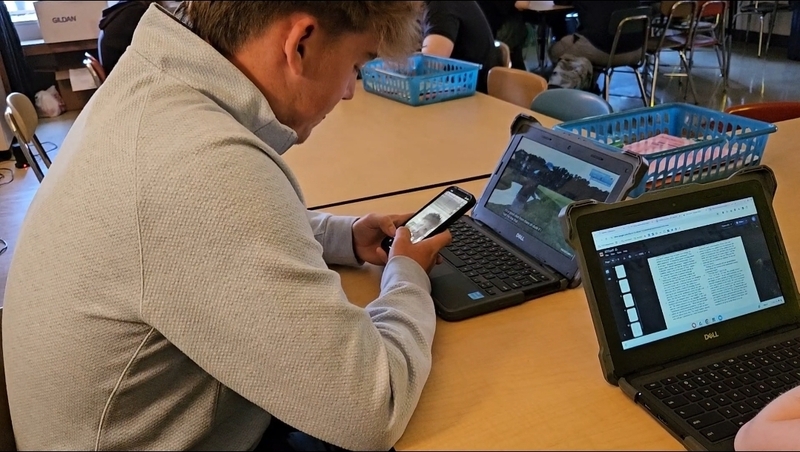




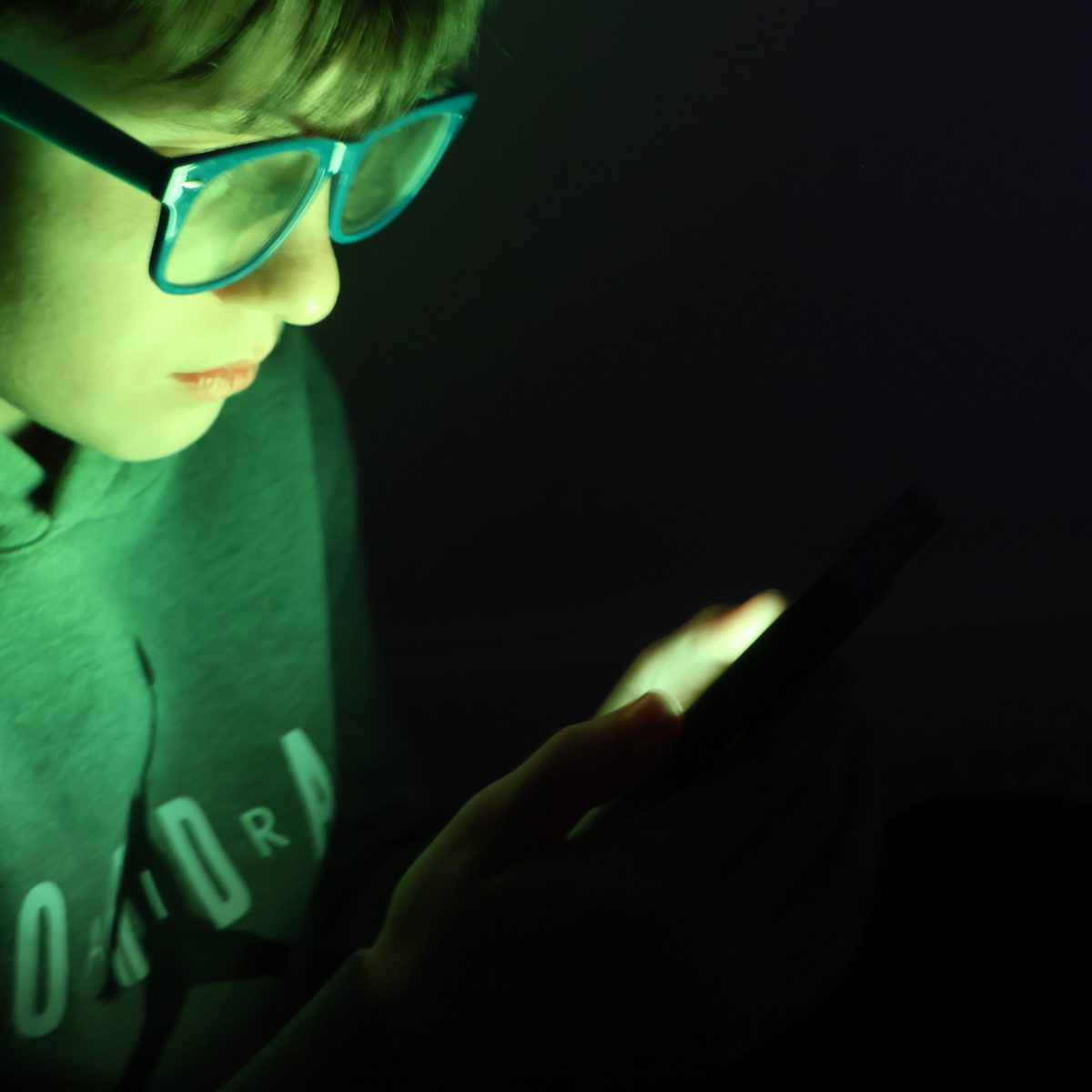
Social media is a huge part of teen life today, shaping how teens communicate, spend time, and feel about themselves. While it can offer connection and creativity, it can also affect mental health. Nearly half of teens say social media negatively affects their peers, and many report it contributes to stress and anxiety.
Madison George, a sophomore at Brunswick High School (BHS), shares her thoughts on how social media creates competition.
“People like to compete on social media, I think it starts to hurt people’s feelings when they’re not ‘winning’,” George said.
Eventually, George decided to delete her own account.
“I deleted it because I wasted a lot of time on TikTok […] I’ve been doing more of my old hobbies, like reading, drawing, and hanging out with my friends. It’s always good to be a little bored because then you find fun things to do,” George said.
Parents see the effects differently.
Beth Sindler, a psychology major, and Brunswick parent shared the difficulty of parenting social media.
“Content and time on the medium of choice makes all the difference. If used with supervision, social media can be very positive … without it, it can harm self-confidence and natural communication skills,” Sindler said.
Sindler also pointed out that teens today communicate less in person and often rely on texts or posts, which can lead to misunderstandings.
Even with the risks, social media can be a tool for learning, creativity, and self-expression if used carefully. George’s experience shows that taking breaks or setting limits can help teens reconnect with hobbies, friends, and themselves. Sindler emphasizes that guidance, supervision, and open communication are key for helping teens navigate online spaces safely.
Social media isn’t inherently good or bad. Its impact depends on balance, supervision, and mindful use. Understanding these effects can help teens, parents, and educators make the most of technology while protecting mental health.