






















For many high school students, the excitement of freshman year fades quickly, changed by something heavier, pressure, expectations, and stress. This is often called the “sophomore slump” and is becoming more recognized as a critical time for teen mental health.
While sophomore year may not have the “newness” of ninth grade or the rush of senior year, it sits in the middle where expectations rise but support can feel limited. Academic pressure increases, social dynamics change, finding work, driving, sports, various state testing happens, and students begin thinking more seriously about their future. For some teens, this combination can feel very overwhelming.
According to the Centers for Disease Control and Prevention (CDC), about 40% of U.S. high school students reported feeling so sad or hopeless for at least two weeks that they stopped normal activities in 2023.
Roughly 1 in 5 adolescents report symptoms of anxiety or depression, showing how common these struggles are. Teen mental health has become one of the most serious public health concerns today.
Voices from Students:
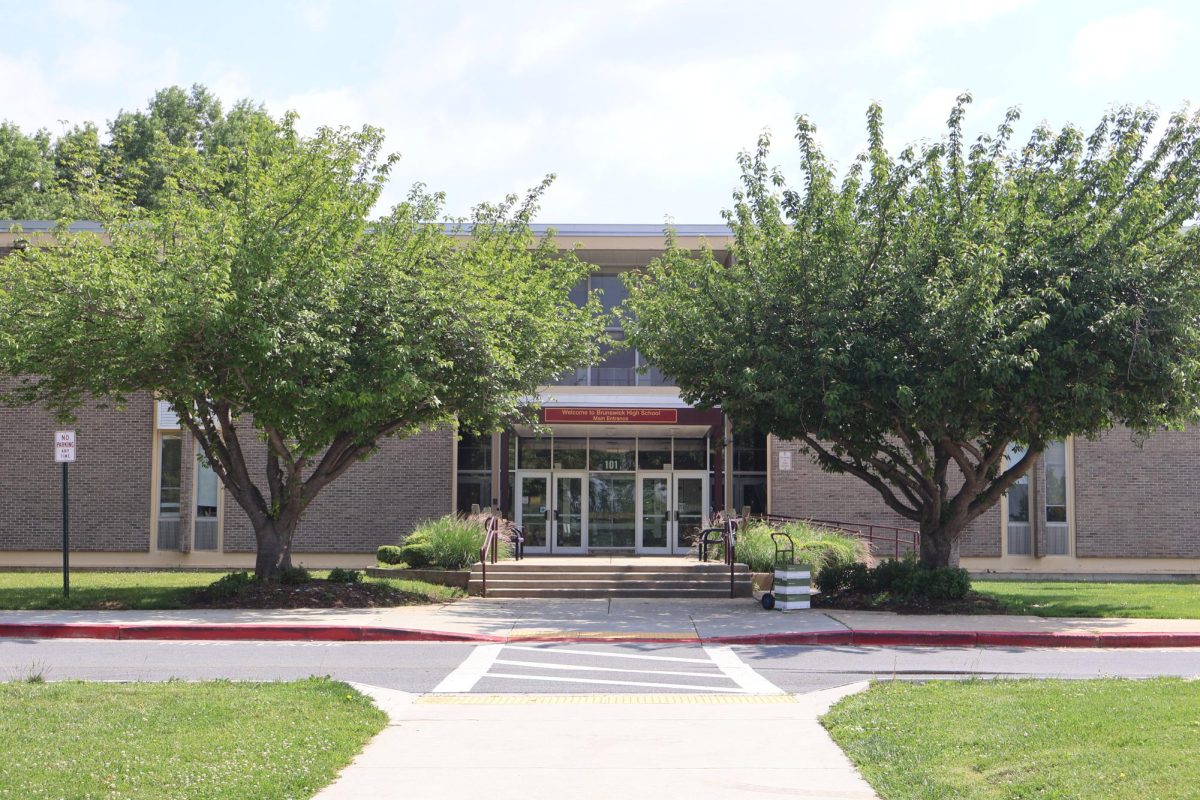
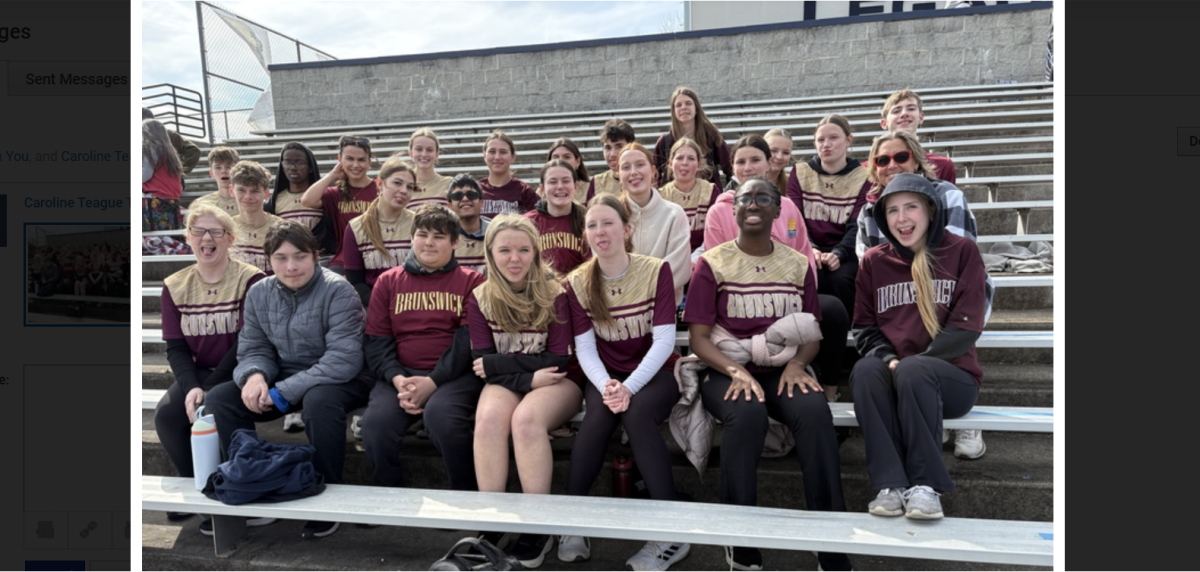
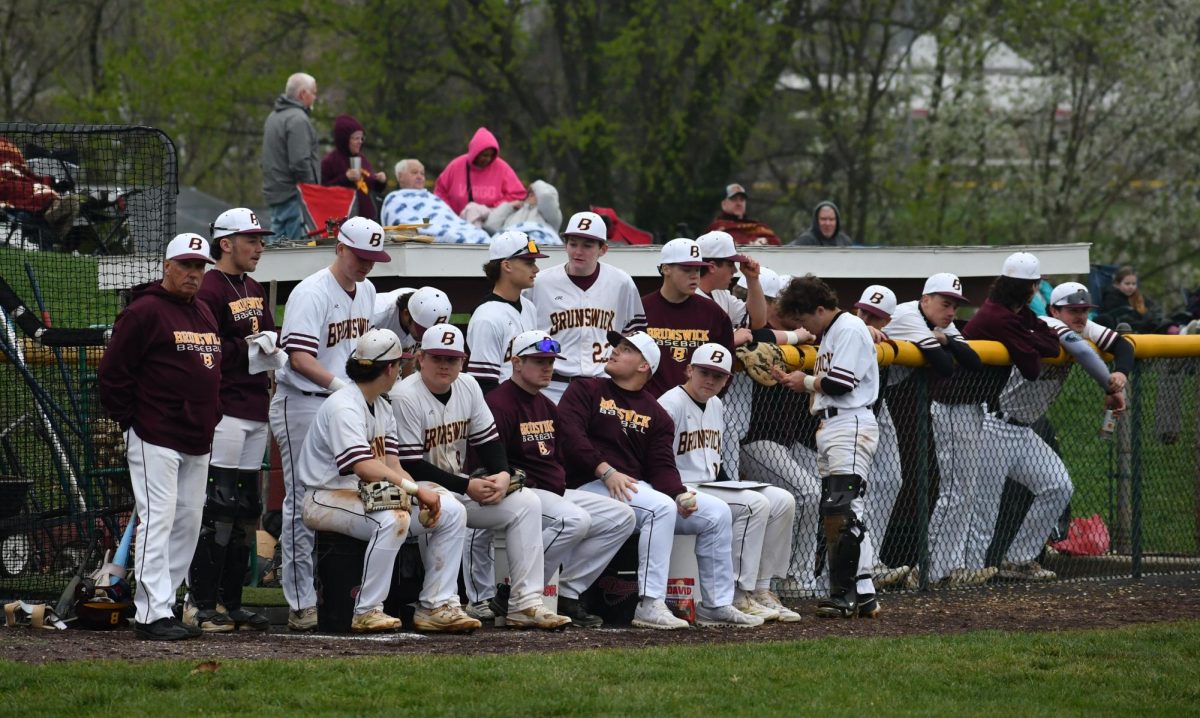
To better understand how former students of Brunswick High feel about this transition, several high schoolers shared their thoughts anonymously to keep their lives and thoughts about tenth grade private.
Incoming 10th grader (formerly freshmen):
“I feel like tenth grade is going to be harder because teachers expect more, and you’re not ‘new’ anymore. I’m kind of nervous that I won’t be able to keep up.”
Current Sophomore:
“My mental health definitely got worse this year. There’s more work, more pressure, and it feels like you have to start figuring out your whole future already. Sometimes, I don’t even feel like doing anything or even if I can take it anymore with deadlines and pressure dates, stuff going on at home, it’s hard sometimes.”
Senior reflecting back:
“Sophomore year was the hardest for me mentally and physically. It wasn’t exciting like freshman year, and I didn’t have things figured out yet like senior year. It just felt like a lot all at once.”
Why Sophomore Year Hits So Hard:
- Increased academic pressure
- harder classes
- GPA importance
- Social stress
- Identity changes
- Physical change
- Future anxiety
- Digital pressures
- Laziness
- Sports
- Family life
- Deadlines
- State testing
- Hormonal changes
Why These Stories Are Anonymous:
The students quoted in this article chose to remain anonymous and that decision was intentional.
Mental health struggles don’t belong to just one type of person. They can affect anyone from students to athletes, honor roll kids, to staff and teachers. Many teens still worry about judgment from peers or adults, which can stop them from speaking openly.
In fact, studies show many teens don’t feel fully comfortable talking about their mental health, even though adults often believe they are. By keeping identities private, this story highlights an important truth mental health struggles are common, but they’re not always visible.
Helpful Resources:
Child Protective Services (CPS): 301-600-2464 – Help for physical, sexual, emotional abuse or neglect.
Maryland Anonymous Tip Line: 1-833-632-7233 – Report threats or situations that put your safety, or others’ safety, at risk.
Suicide and Crisis Lifeline: If you or someone you know is considering suicide, please contact the 988 Suicide and Crisis Lifeline by dialing 988, text “STRENGTH” to the Crisis Text Line at 741741 or go to 988lifeline.org.
Remember you can always ask for help, if its a friend, family, teacher, there’s someone who wants to listen.